The 12 gauge might be the king of shotguns, but there are many useful gauges that you could add to your collection. A 16-gauge, for example, might not get the attention of other bores, but it is a useful tool for hunting and target shooting.
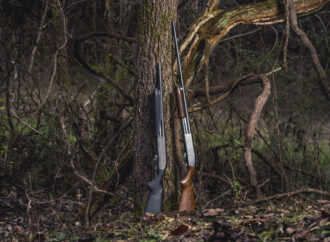
The 12 gauge might be the king of shotguns, but there are many useful gauges that you could add to your collection. A 16-gauge, for example, might not get the attention of other bores, but it is a useful tool for hunting and target shooting.
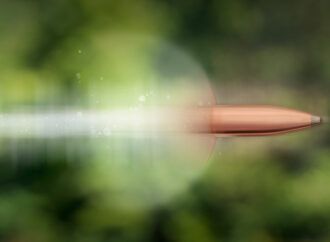
You might have heard the term “ballistic coefficient” tossed around but how much do you know about it? Let’s explore how ballistic coefficient is calculated and how it could impact the next box of rifle ammunition you buy.
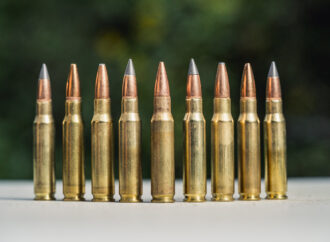
Deer hunters make up the largest hunting culture in the world, with whitetails filling more freezers and adorning more walls than any other game animal. But there are seemingly as many different ammo and bullet options as there are hunters in the field each fall. So how do you determine the best bullets for deer hunting?

Join us as we dive in to a wealth of ballistic testing data to try to determine what some of the best options are for 380 ACP self-defense ammunition.
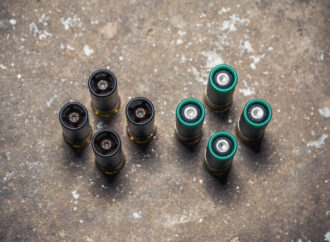
Are you ready to start deer hunting? If so, then you’re going to need to understand the basics of slugs, including the differences between the two main types – rifled slugs vs. sabot slugs.

It’s generally agreed in the firearms community that, because of no expansion and the potential for over-penetration, full metal jacket rounds should not be used for personal defense. They are, however, a great choice for bulk plinking and training at the range.

TMJ bullets and BEB bullets seem to be getting more and more popular among American shooters. Both bullet types offer potentially less lead exposure than a traditional full metal jacket round and could be a great option for your next range training trip.

We dive into exhaustive test results to give you an idea of what you might consider the best 40 S&W ammo for self-defense.