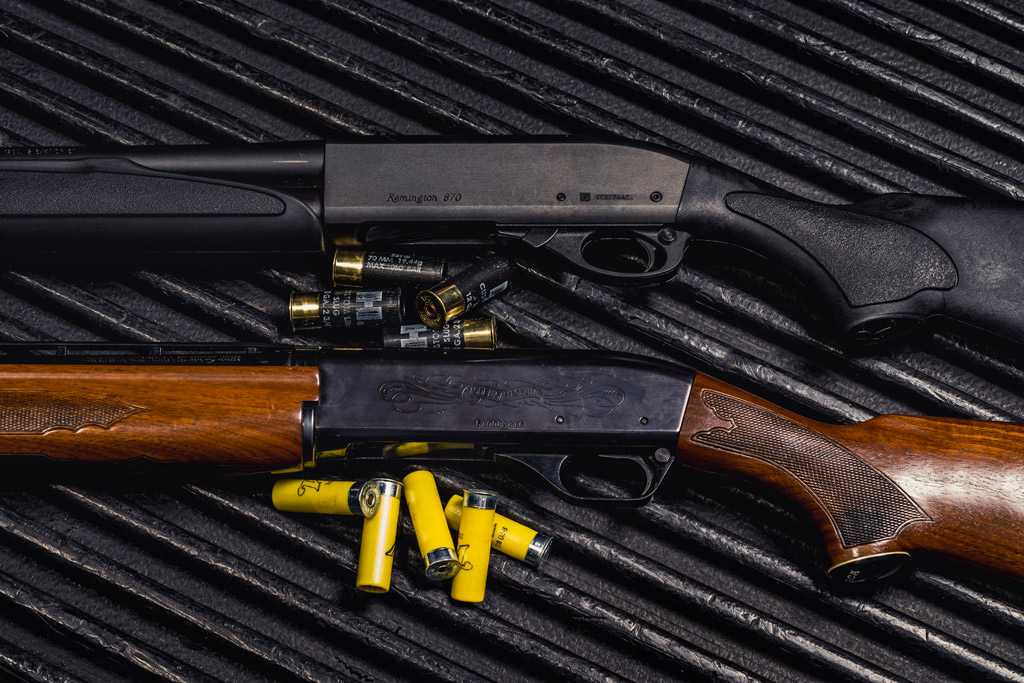


It’s a common debate, especially among first-time shotgun buyers. Should you go with a 12 gauge or a 20 gauge shotgun? In this article, let’s look at the benefits of each caliber and why you might select one over the other.
When comparing shotguns and shotgun ammunition, few topics are as complex as 12 gauge vs. 20 gauge.
Comparisons for rifle or handgun cartridges have a generally-universal set of characteristics to compare; yes, there are variables, but not as many. With shotgun ammunition, you have slugs, shot size, shell length, and other variables that add complexities to an already complex subject.
Despite the complexities, you can make fair comparisons between 12-gauge and 20-gauge calibers and ammo. This should allow you to make a clear decision on your firearm choice.
Can’t Wait for the Results? Here are the important differences between 12-gauge and 20-gauge ammunition:
Advantages of the 12-gauge:
- More power
- Larger, heavier slugs
- More shot weight
- Generally has more range
Advantages of the 20-gauge:
- Less recoil
- Easier on small game
- Great for lighter shooting
Shotgun 101: Understanding “Gauge”
| 12 Gauge | 20 Gauge | |
|---|---|---|
| Bore diameter | 0.725 inches | 0.615 inches |
| Shell lengths | 1.5 to 3.5 inches | 2.75 to 3 inches |
| Shot load weight | 5/8 to 2-1/2 ounces | 3/4 to 1-5/8 ounces |
| Slug weights | 300 to 600 grains | 219 to 383 grains |
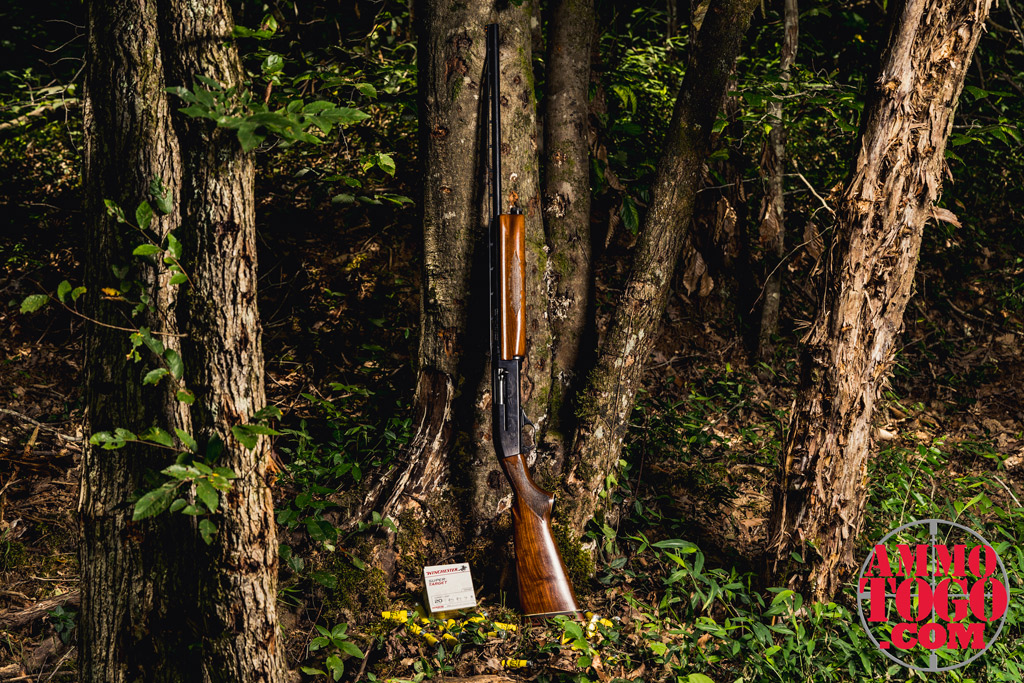
Hunters and trap shooters understand that the lower the number, the larger the caliber in a gauge-designated shotgun. If it’s been a while since you’ve reviewed calibers, or if you’re simply new to firearms, it helps to quickly review how gauges are determined and why a smaller number means a bigger shell.
Gauge in determined by the number of lead balls with the same diameter as the barrel that it would take to weigh one pound.
In a 12-gauge, which has a diameter of .729 inches, it would take a dozen .729-diameter balls to reach a pound.
With 20 gauge, which as a .615-inch diameter, you would need 20 lead balls, each with with a .615-inch diameter, to weigh a pound.
Special Note: 20-gauge Shells are Always Yellow
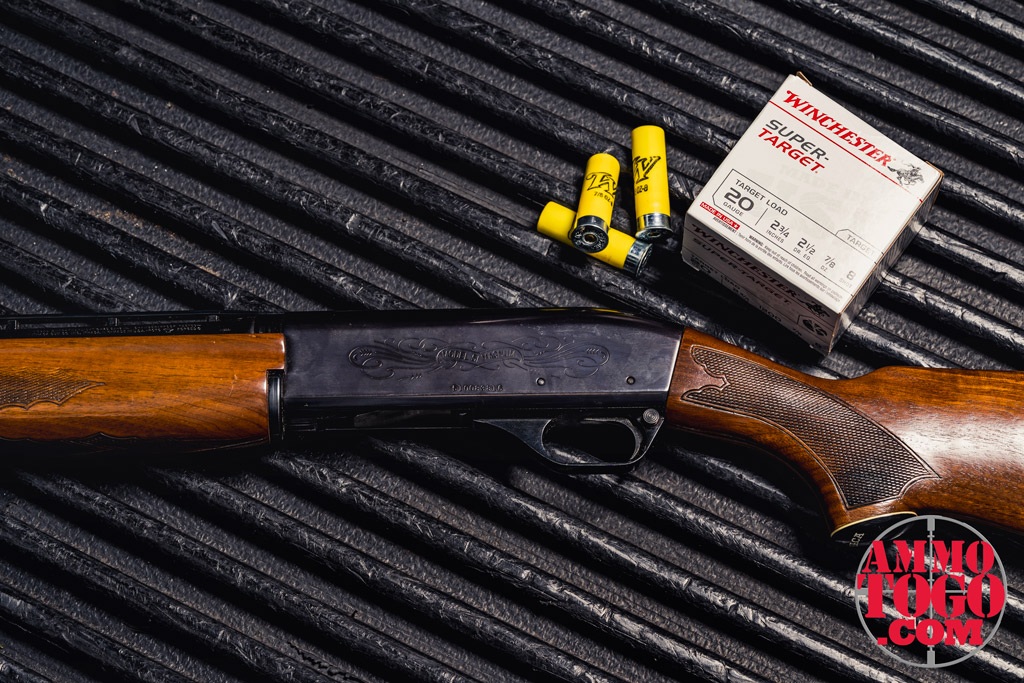
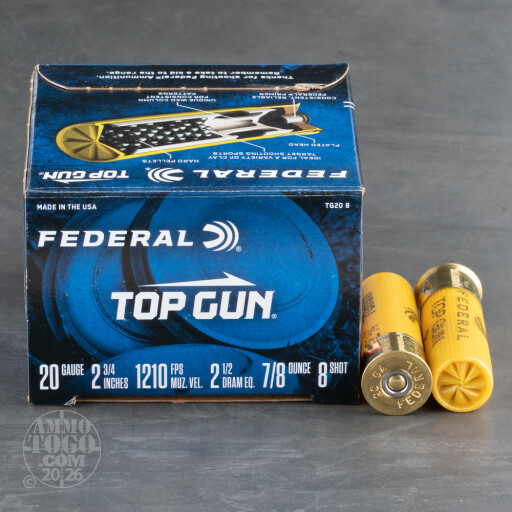
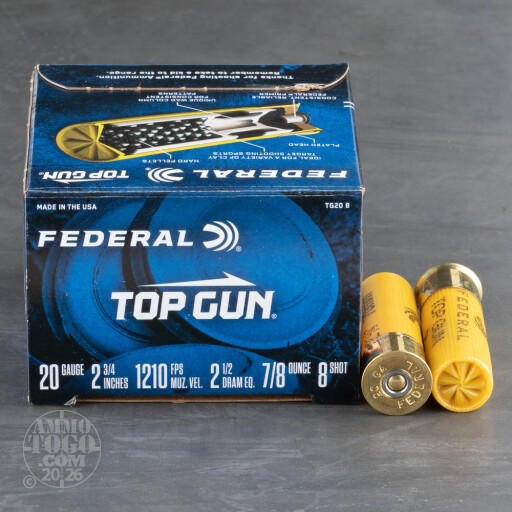
It’s also important to note that all 20-gauge shells, by mandate, are yellow. This is a precaution against loading 20-gauge shells into a 12-gauge shotgun. If this happens and a 12-gauge shell is loaded behind the 20-gauge, it can cause both shells to fire, leading to serious injury. For this reason, you will see that all 20-gauge shells, regardless of the load, will be yellow.
History of the Shotgun Shell
In the early days of firearms, almost all guns could fire both solid-piece single projectiles (bullets or “balls”) as well as “shot,” which in many cases could be just about any hard, solid object that could be crammed down the barrel. As rifling was developed and the bores of long guns became smaller, the shotgun became its own separate entity. Common guns could no longer shoot both shot and bullets.
Shotguns became a popular tool in bird hunting, and found use among guards and law enforcement; it wasn’t until later in the 19th century that they started to become useful in the military. Although they were used by both sides during the Civil War, the shotgun became especially useful in the trench warfare of World War I. It also saw service in the tight jungle combat of World War II’s Pacific Theater.
Today, shotguns are largely a specialty weapon among the military. Their most common purpose is a hunting tool. However, many of us rely on shotguns for home defense and many others are passionate about shotgun shooting sports like trap and skeet.
The most popular shotgun caliber, by far, is the 12-gauge. But the 20-gauge, which is smaller and lighter, certainly has its uses among hunters and people concerned with home-defense. It’s obvious both calibers have a loyal fanbase all over the country.
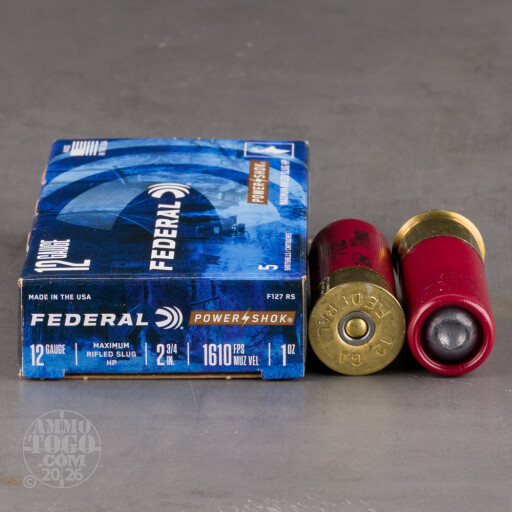

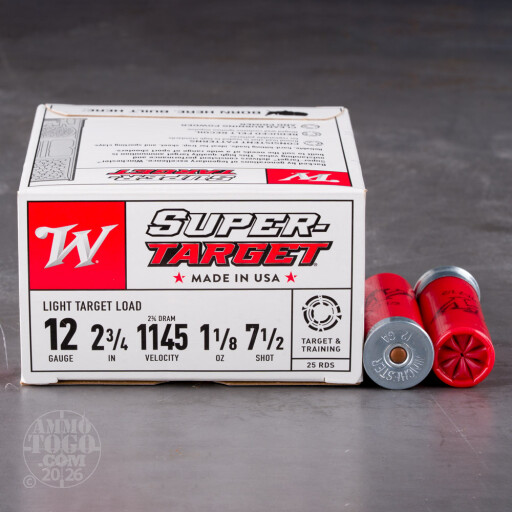
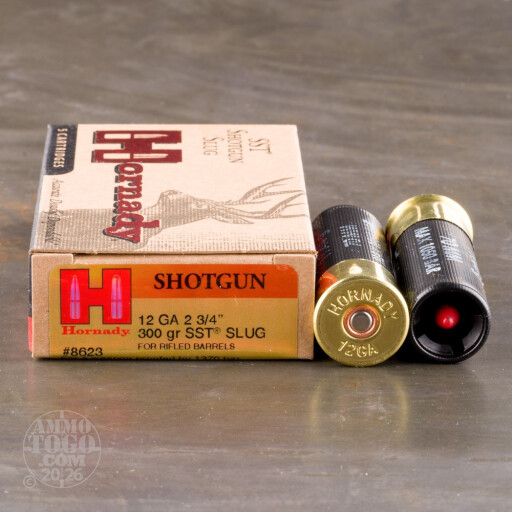
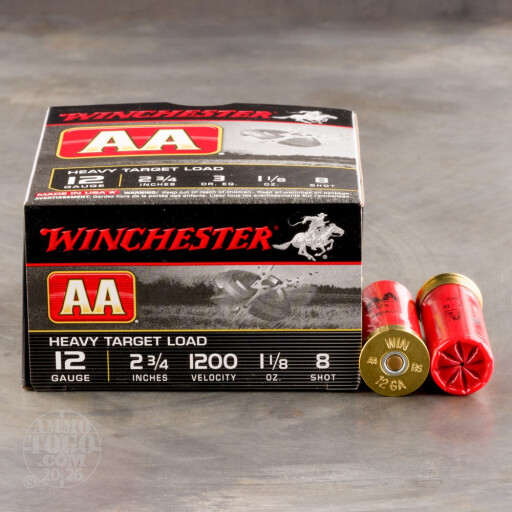
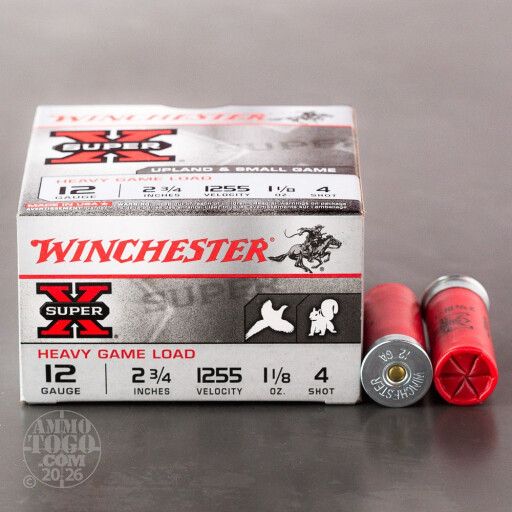
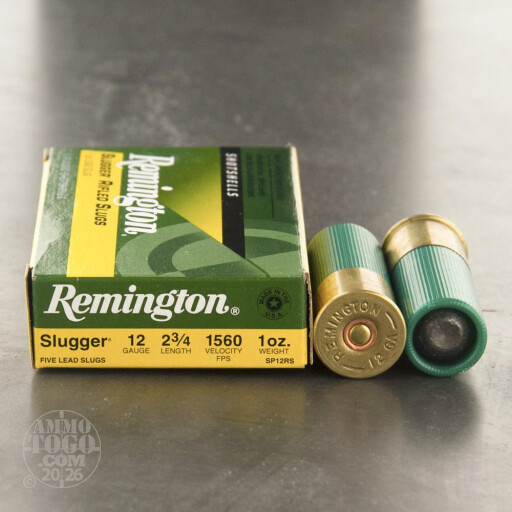
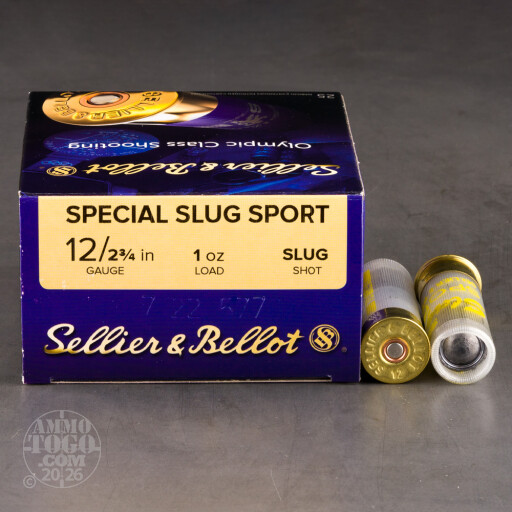
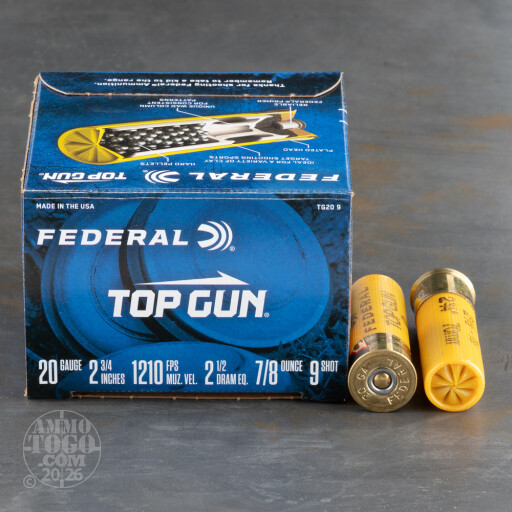
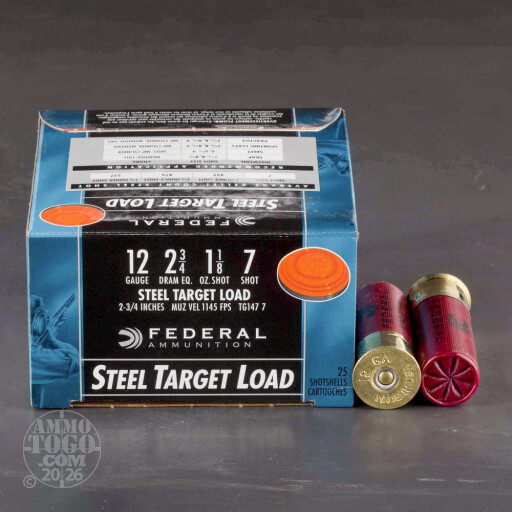
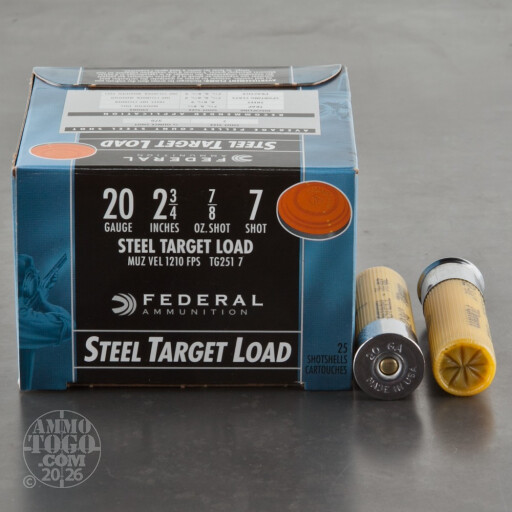
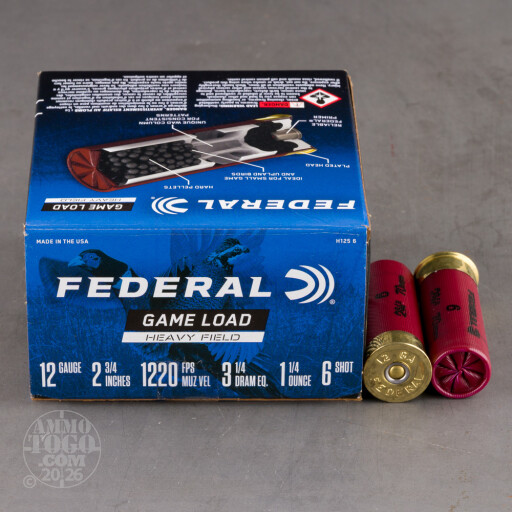
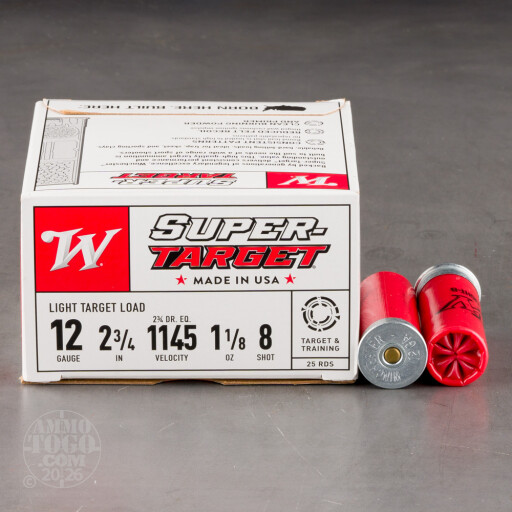
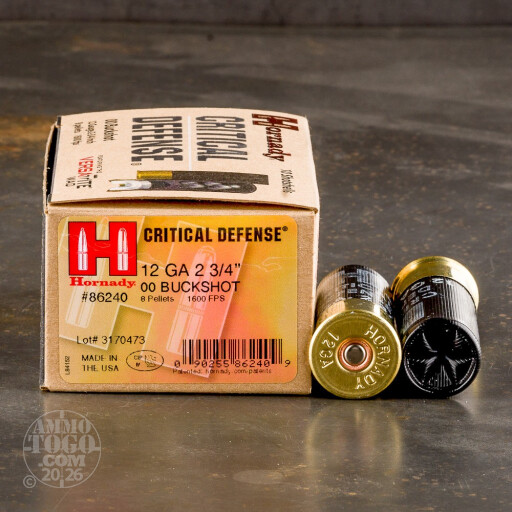
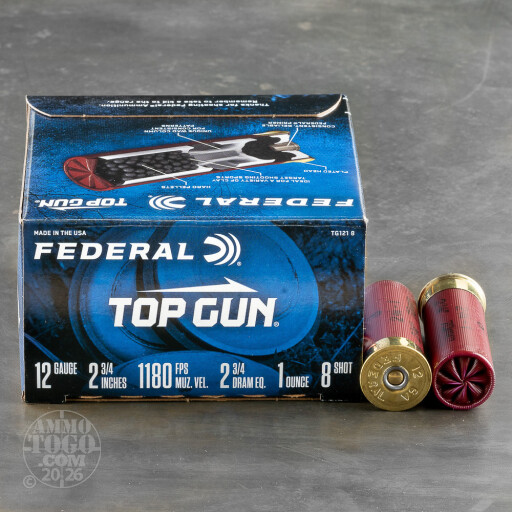


12 Gauge vs. 20 Gauge Performance Comparison
Price
Note: Prices in this article are used for context and example only and do not represent a pricing offer. Please see our site for current and official pricing.
You may assume that because 20-gauge ammunition has less material, it would be cheaper, but this is not necessarily the case. In most stores, 12-gauge ammunition is just as affordable as 20-gauge ammo.
The inventory for both of these rounds is massive, so comparing price is tough, but as of writing this article, the 12-gauge was available for about $0.35 to over $5.00 per shot; the 20-gauge was available for about $0.35 to $4.50 per shot. So while the 12 may be more expensive at the higher end, overall prices are similar.
Price Winner: Draw
Spread
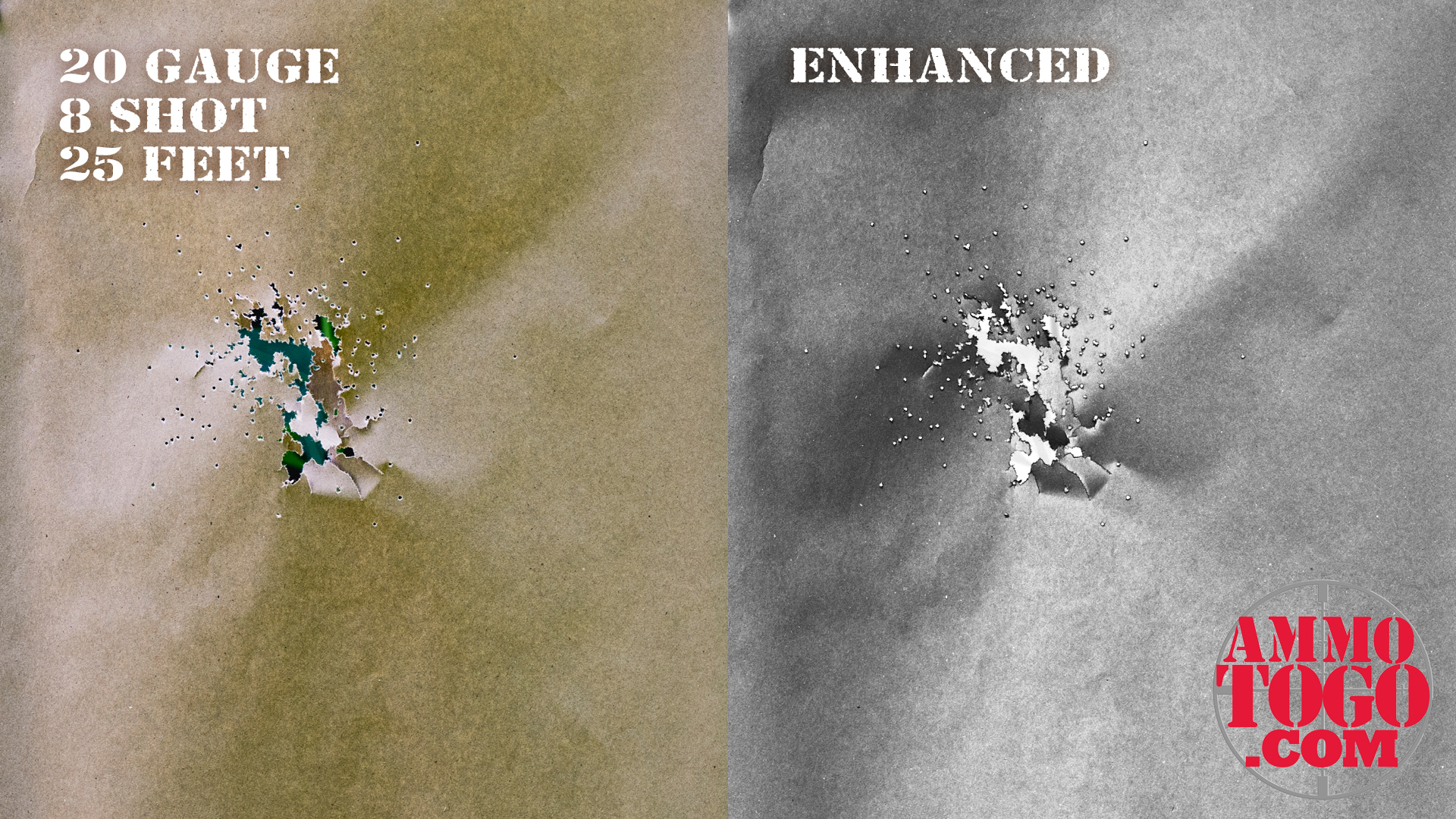
By “spread,” we are referring to the width, height, and length (commonly called the “string”) of the pellets fired from the shell. In most cases, you will find that 12-gauge shotguns have a wider and more dense spread, although this is heavily dependent on the choke you are using. However, if a wide (while still effective) spread is important, a 12-gauge gives you better results.
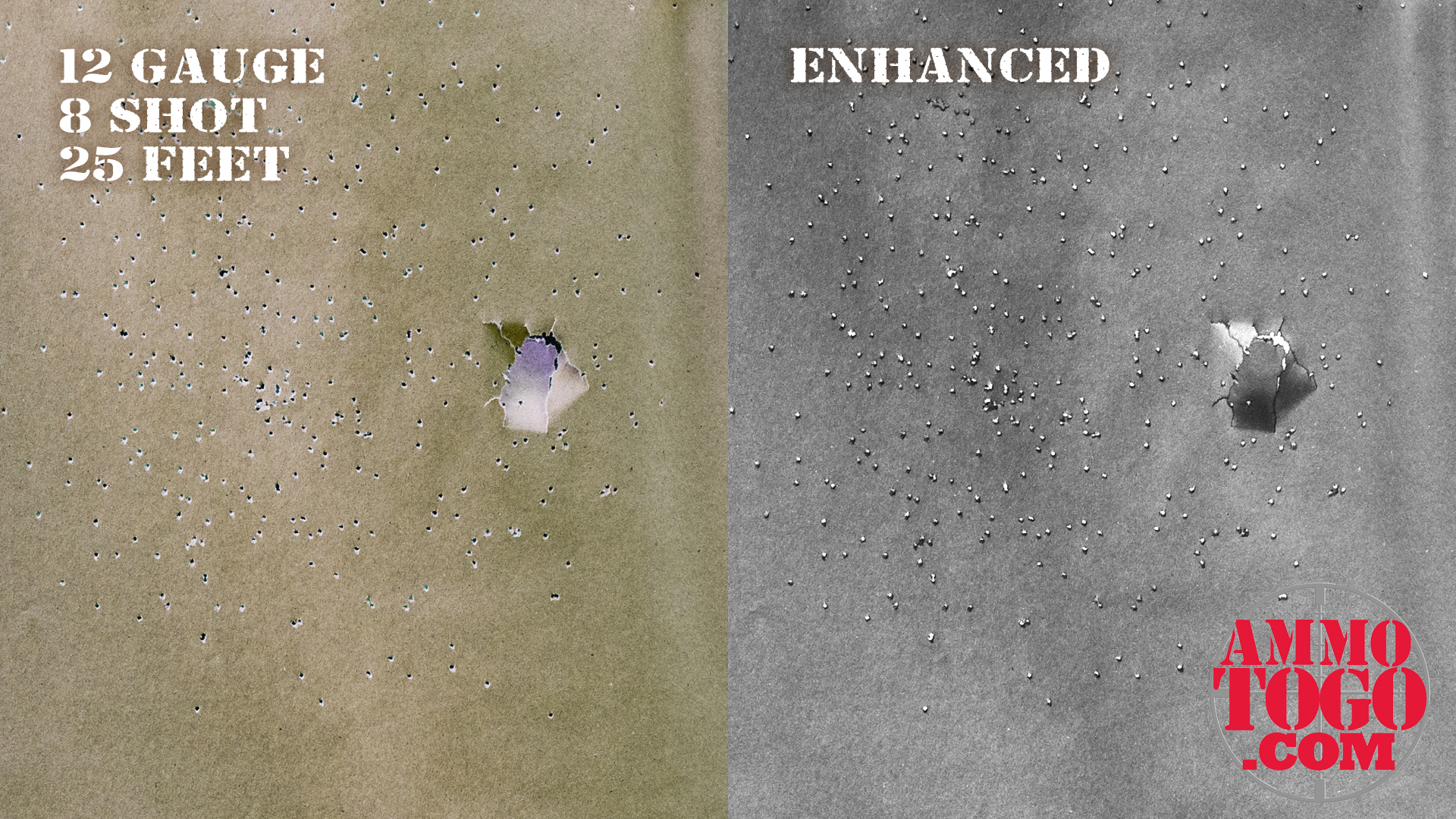
When you compare the photos above, it’s clear there are more pellets on target and it’s a much more dense pattern for the 12 gauge.
Spread Winner: 12-gauge

Recoil
The recoil from the 20-gauge is lighter. This means experienced shooters, youth, and smaller individuals may find the 20-gauge easier to handle. This improves accuracy, allows for faster follow-up shots, and boosts confidence, leading to a more enjoyable shooting experience.
Just how much lighter is the 20-gauge’s recoil? We entered the numbers for a few rounds into a recoil calculator; here’s what we found:
| Muzzle Velocity (ft-lbs) | Muzzle Energy (fps) | Recoil Energy (ft-lbs) | |
|---|---|---|---|
| 12 Gauge Federal Power-Shok 2 3/4 inch, 438-grain Sabot Slug | 1500 | 2,188 | 25 |
| 20 Gauge Federal Power-Shok 2 3/4 inch, 328-grain Sabot Slug | 1,450 | 1,531 | 16 |
(For both, we used a 15-grain charge weight and a 6-pound firearm.)
Again, this is a small sample size, but overall the results are not surprising. The 12-gauge will deliver more force to the shoulder so in the 12-gauge vs 20-gauge debate, the recoil advantage might be enough to have you leaning toward the smaller shotgun. However, 12-gauge shotguns are often heavier, so some of the recoil will be absorbed.
Recoil Winner: 20-gauge
Velocity
| Product | Muzzle Velocity (fps) |
|---|---|
| 12 Gauge Federal Prairie Storm 3-inch, 1 5/8 oz, #5 shot | 1,350 |
| 20 Gauge Federal Prairie Storm 3-inch, 1 1/4 oz, #5 shot | 1,300 |
| 12 Gauge Remington Duck Club Steel 3-inch, 1 1/4 oz, #3 shot | 1,400 |
| 20 Gauge Remington Duck Club Steel 3-inch, 1 oz, #3 shot | 1,300 |
| 12 Gauge Fiocchi Golden Turkey 3-inch, 1 3/4 oz, #5 shot | 1,200 |
| 20 Gauge Fiocchi Golden Turkey 3-inch, 1 1/4 oz, #5 shot | 1,200 |
| 12 Gauge AA Diamond Grade 2 3/4-inch, 1 oz, #7.55 shot | 1,250 |
| 20 Gauge Fiocchi Golden Turkey 2 1/5-inch, 7/8 oz, #7.5 shot | 1,300 |
| 12 Gauge Federal Power-Shok 2 3/4 inch, 438-grain Sabot Slug | 1,500 |
| 20 Gauge Federal Power-Shok 2 3/4 inch, 328-grain Sabot Slug | 1,400 |
| 12 Gauge Winchester Super-X 2 3/4 inch, 1-ounce Rifled Slug | 1,300 |
| 20 Gauge Winchester Super-X 2 3/4 inch, 3/4-ounce Rifled Slug | 1,600 |
| 12 Gauge Federal TruBall 3 inch, 438-grain Rifled Slug | 1,700 |
| 20 Gauge Federal TruBall 3 inch, 328-ounce Rifled Slug | 1,700 |
You may assume (like many) that the 12 gauge would have a clear velocity advantage. This is actually not the case, as we see from the stats above that, at least for muzzle stats, the 20 gauge is nearly as fast as the 12, and often meets or exceeds the 12’s speed rating. Even when the 12 gauge is faster, it’s not overwhelming.
But what should we make of this even velocity? If we have one takeaway, it’s that the 20-gauge should not be underestimated as a hunting and defense tool. All ballistics, from energy to terminal performance, start with speed, and while the 20-gauge packs smaller loads, it clearly delivers ample velocity.
Velocity Winner: Draw
Energy
| Product | Muzzle Energy (fps) | 50 yards | 100 yards |
|---|---|---|---|
| 12 Gauge Federal Power-Shok 2 3/4 inch, 438-grain Sabot Slug | 2,188 | 1,773 | 1,452 |
| 20 Gauge Federal Power-Shok 2 3/4 inch, 328-grain Sabot Slug | 1,531 | 1,158 | 911 |
| 12 Gauge Winchester Super-X 2 3/4 inch, 1-ounce Rifled Slug | 2,488 | 1,310 | 882 |
| 20 Gauge Winchester Super-X 2 3/4 inch, 3/4-ounce Rifled Slug | 1,865 | 981 | 660 |
| 12 Gauge Federal TruBall 3 inch, 438-grain Rifled Slug | 2,810 | 1,494 | 963 |
| 20 Gauge Federal TruBall 3 inch, 328-ounce Rifled Slug | 2,105 | 1,215 | 792 |
Our sample size is small and only includes slugs (because shotgun energy data is not provided for pellets and shot), but you don’t need a large scientific study to realize that the 12-gauge is clearly more powerful.
The round delivers as much speed as the 20-gauge, but does so with heavier projectiles. The result is more power from the muzzle to the target.
Again, however, you shouldn’t underestimate the 20-gauge. With a muzzle energy of roughly 1,500 to 2,000 ft-lbs, this load holds up against some of the most popular rifle and handgun rounds, even ones known for heavy power.
For example, typical .30-30 Winchester cartridges have roughly 1,700 to 2,000 ft-lbs of energy. That’s right in line with a 20-gauge shell. The .44 Magnum, which is virtually synonymous with power, has roughly 1,300 ft-lbs of energy. The 20-gauge can easily out-power this forceful round.
Energy Winner: 12-gauge
Range
Because the 12-gauge, in general, is faster in exit velocity than the 20-gauge, it will also have a better effective range.
Because of that increased range, hunters can place shots with confidence on geese and ducks that may be out of range for users of a 20-gauge shotgun. The same is true for slug shells we referenced earlier; despite throwing a lighter slug, the 20-gauge has more drop than the 12-gauge.
Effective Range Winner: 12-gauge
Versatility
“Versatility” is a tough characteristic to determine in any firearms comparison, but in a shotgun it can be almost impossible. (Because, quite frankly, they are all versatile.)
While the 20-gauge is certainly a great all-around gun, most would agree that the 12-gauge is the more versatile of the two. With a 12-gauge shotgun, you can do a wide range of activities, especially given the choke options that are available with today’s firearms. Also, most ammo manufacturers have twice or three-times as many 12-gauge options than 20-gauge choices.
With a 12-gauge shotgun you can have more power for sports like deer and turkey. You also have the range required to make longer shots on fowl such as geese and migrating ducks. You can also scale down the 12-gauge with shorter, smaller ammunition, allowing you to pursue smaller game. While the 20-gauge is undoubtably a versatile load, we think the 12-gauge has a slight edge.
Versatility Winner: 12-gauge (Slight advantage)
Bottomline of the 20 Ga vs. 12 Ga Debate:
When to Buy a 12-gauge
The 12-gauge is the best choice when you want to tackle a wide range of jobs with a single shotgun. Using the more powerful 12, you can pursue ducks, pheasants, rabbits, and many other small animals, while still having enough power for turkey, deer, hogs, and more. This is, frankly, the best option for high versatility.
When to Buy a 20-gauge
The main benefits of a 20-gauge shotgun are the smaller size and manageable recoil. Many prefer the 20 for upland bird hunting because it’s lighter and easier to tote through grass and brush while still delivering enough power and speed to drop birds. It’s also better if you want less recoil for high-volume shooting sports, such as clay shooting. And, we should note, a 20-gauge shot can deliver over twice as much energy as a .44 Remington Magnum, so lack of power is not a concern!
Either the 12-gauge or the 20-gauge can give you outstanding performance in the field. Frankly, both are formidable home-defense tools.
Have thoughts on this great caliber debate? We’d love to hear them in the comments below!