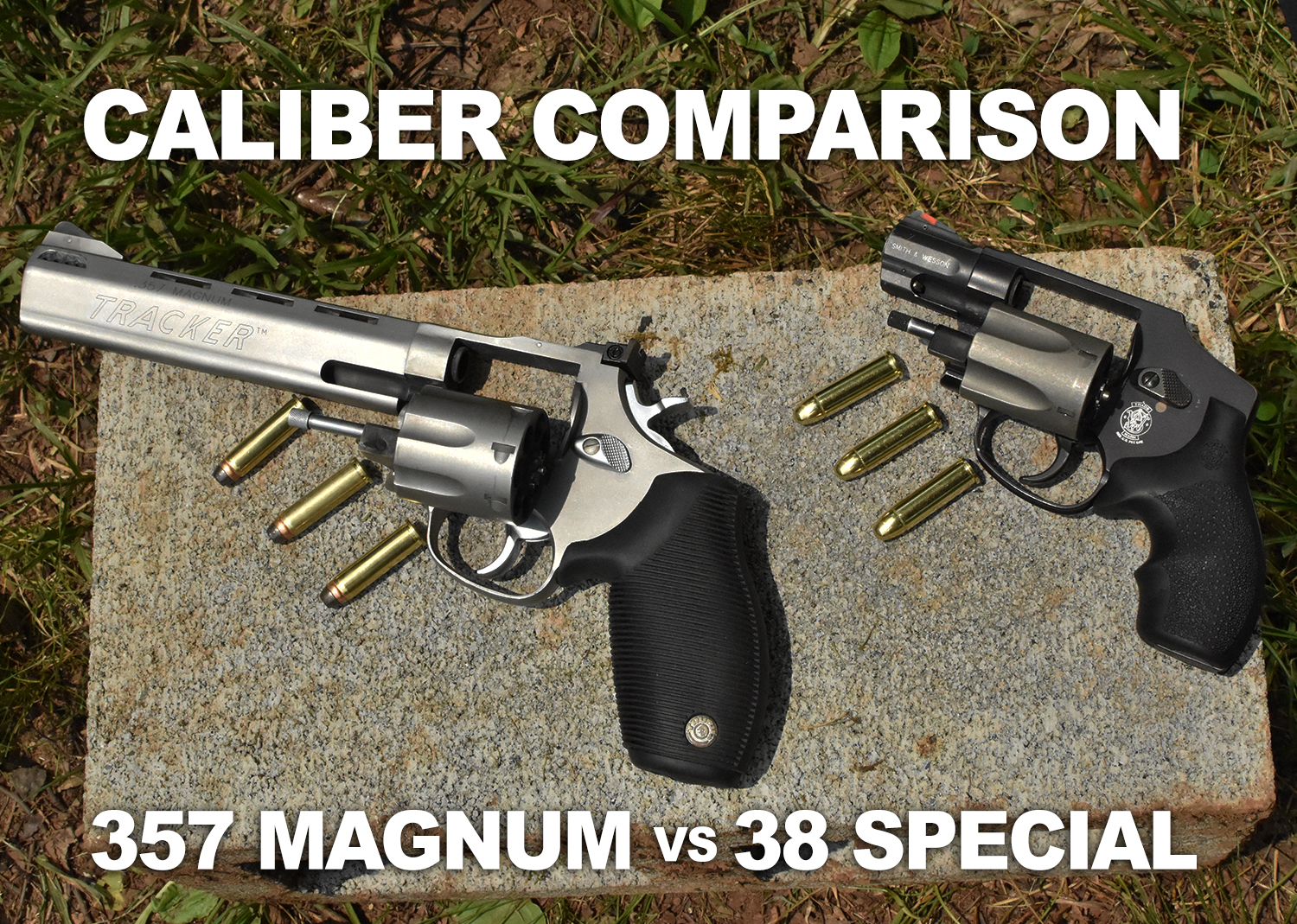


Let’s take a look at what separates two common handgun calibers – 38 special vs. 357 magnum.
In this article, we review the important differences between the .357 Magnum and the .38 Special. After discussing the history and physical differences, we dive into the ballistics so shooters can make an informed decision.
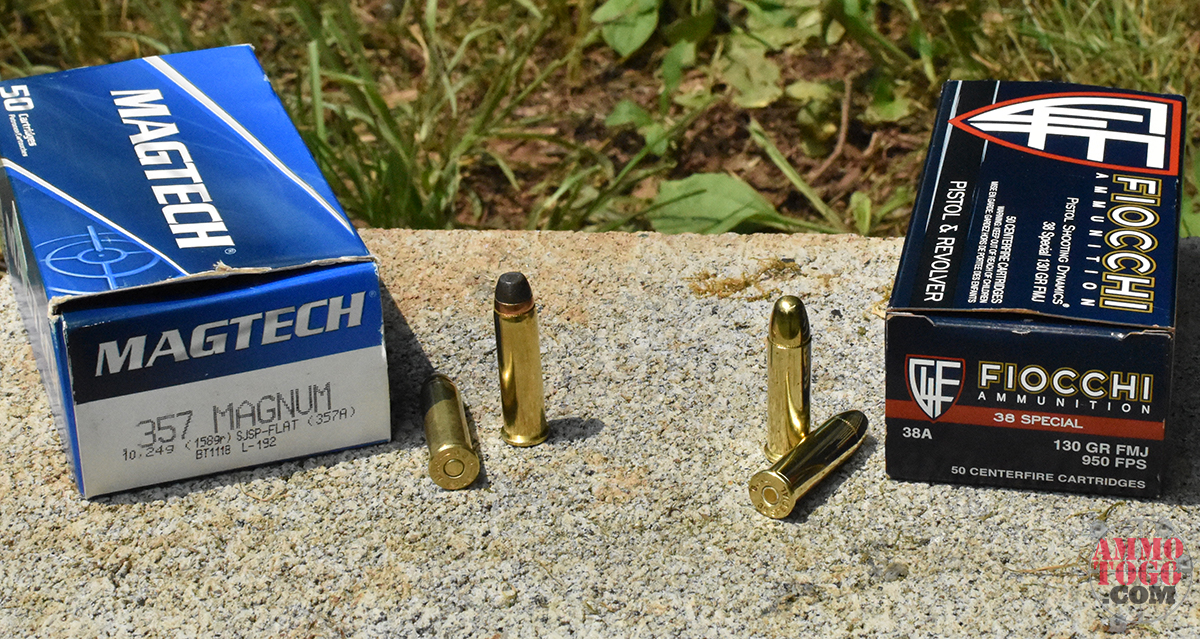
While their names imply a difference in diameter, .38 Special and .357 Magnum are exactly the same in width. It’s only when looking at their length that you’ll notice a difference.
Many handgun owners shoot one or both of these rounds, and while the cartridges have a common heritage, these bullets perform in strikingly different ways. If you own a .38-caliber pistol, you need to understand the differences between these two popular rounds…
.38 Special vs .357 Magnum: Fast Results
Can’t wait for the full analysis? Here are the key takeaways for the .38 Special vs the .357 Magnum…
Advantages of the .38 Special:
- Lower per-cartridge cost
- Less recoil
- Ideal for new shooters seeking an easy-to-use self-defense round
Advantages of the .357 Magnum:
- Higher speeds
- More power
- Better long-range performance
History of the .38 Special
The .38 Special was designed by Smith & Wesson (its official name is “.38 Smith & Wesson Special”) and released in 1898. It was developed as a more powerful version of the .38 Long, which the U.S. military used.
Firing the .38 Long in the Philippines, American soldiers were unable to deliver enough power to penetrate the defenses of Moro warriors, who carried strong wooden shields. In response, Smith & Wesson added more powder to the cartridge and created .38 Special ammunition, which meant a higher velocity. The added powder gave a 158-grain bullet an additional 100 to 150 feet per second of muzzle velocity.
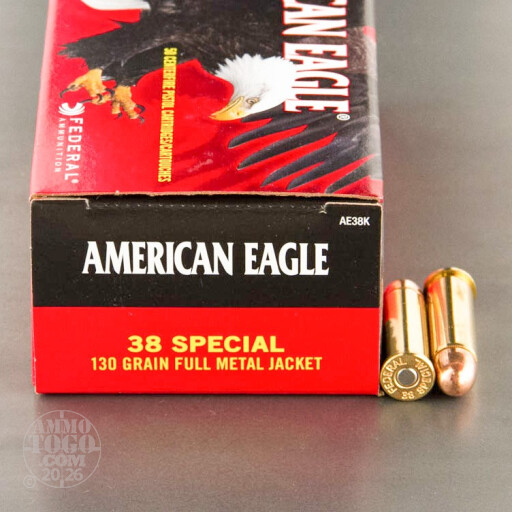

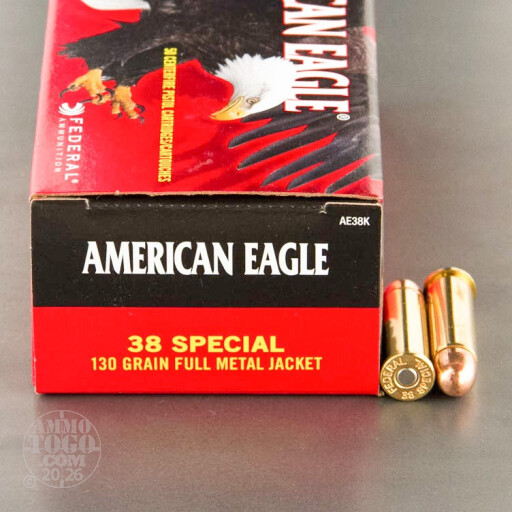
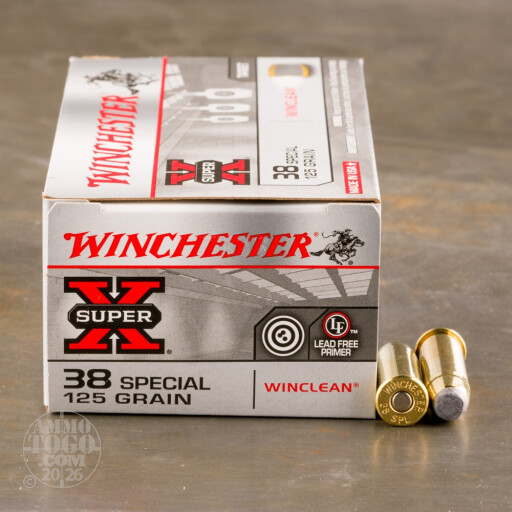
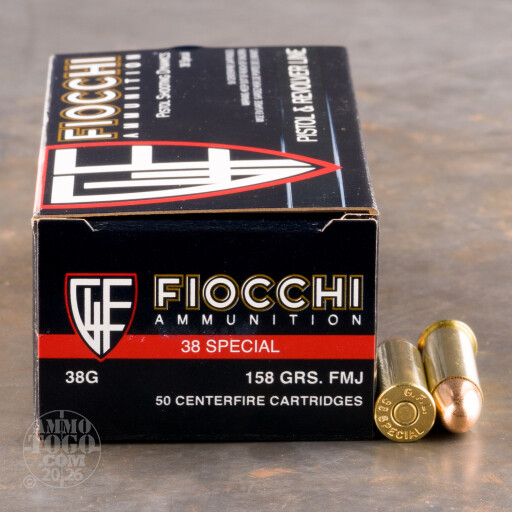
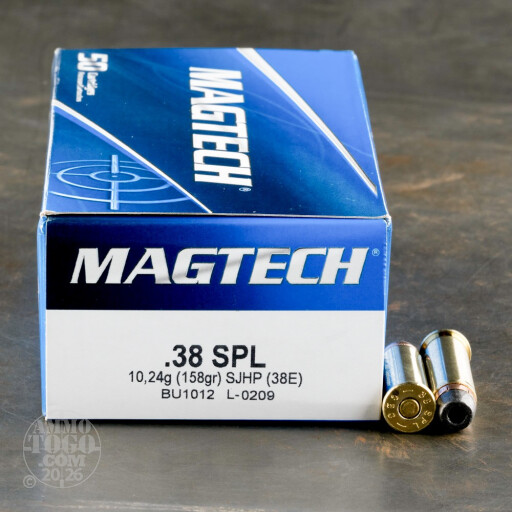
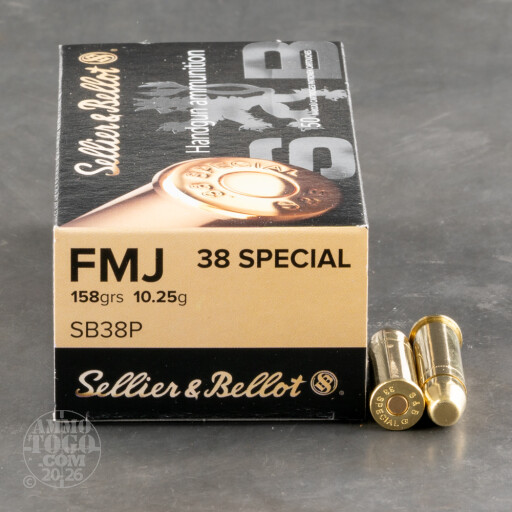
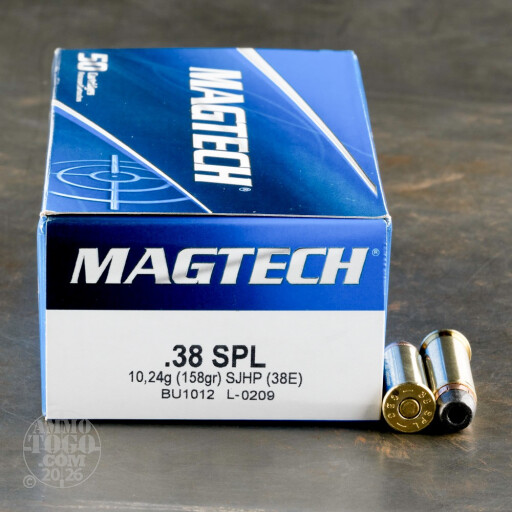
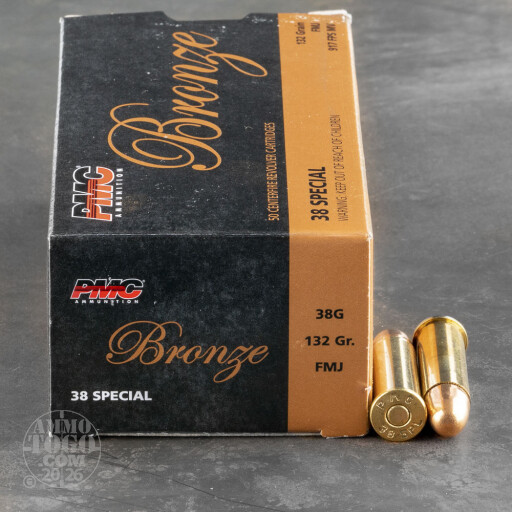
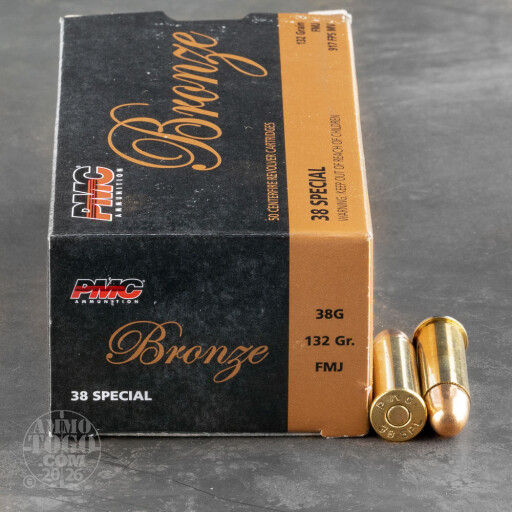
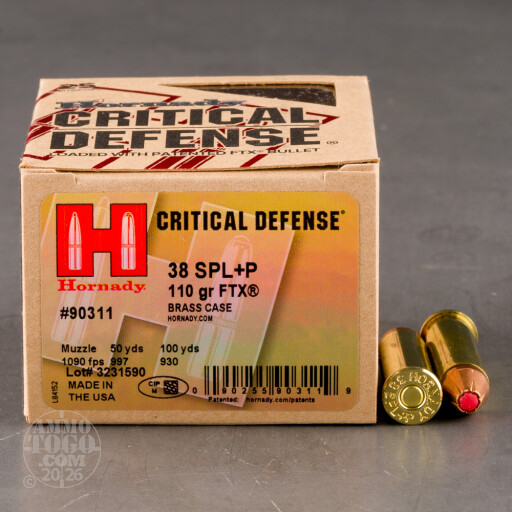


The designation of “.38” does not come from the bullet diameter (which is .357 inches), but from the diameter of the brass case, which is .379 inches.
Thanks to increased speed and power, the .38 Special found its place among military sidearms. Police agencies used the cartridge for decades as well. It remained a popular part of American police arsenals well into the 1990’s.
Today, the .38 Special is a common cartridge for self defense and target shooting. It is typically loaded with bullets ranging from roughly 125 to 160 grains, although bullets of 100 grains are not unheard of.
History of the .357 Magnum
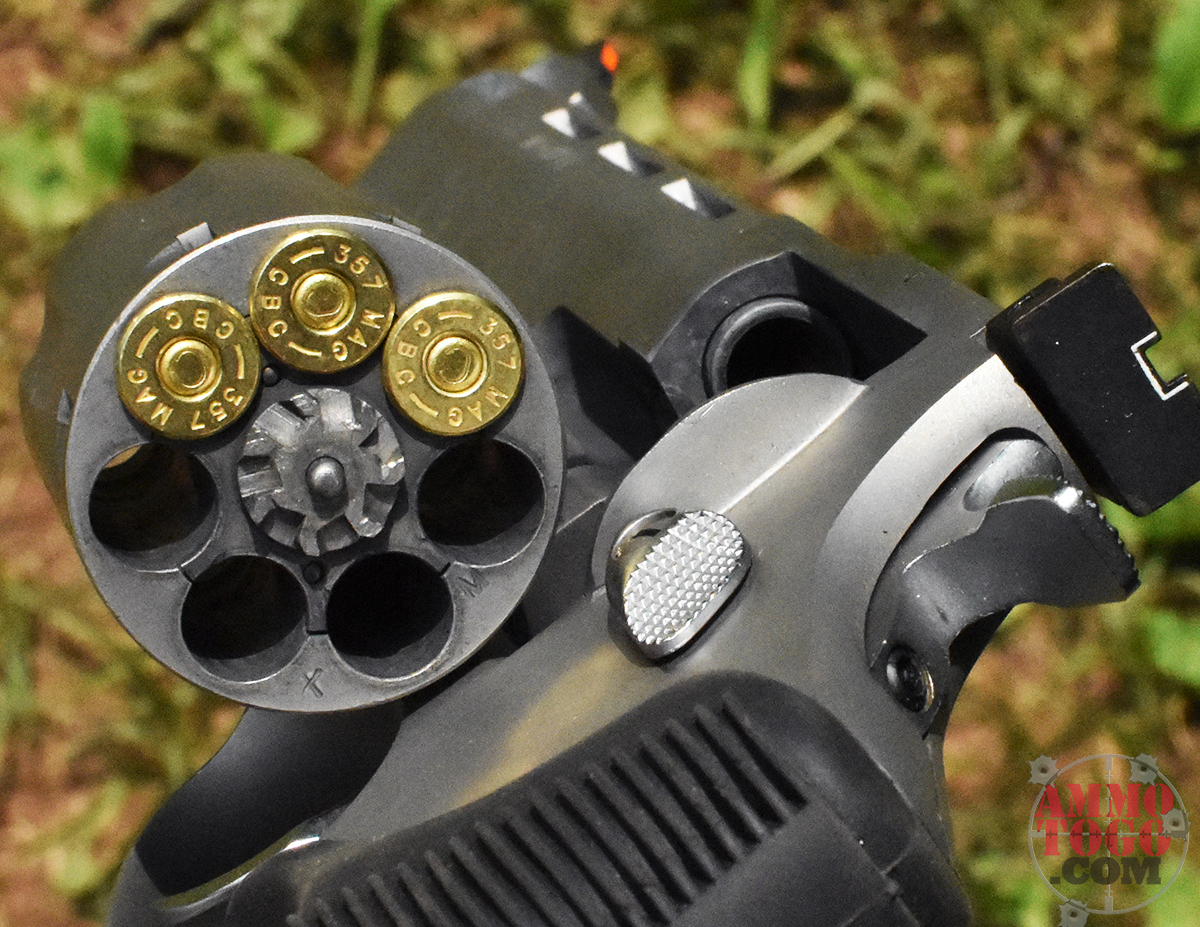
Based on the .38 Special, the .357 Magnum is a faster and more-powerful version of the cartridge. Created in the early 1930’s, the .357 Magnum was developed for many of the same reasons as the .38 Special: to penetrate an enemy’s defense. This time, however, it was prohibition-era gangsters, who wore ballistic vests and ducked behind cars, that needed to be defeated.
The goal was to essentially create a .38 Special that could travel over 1,000 feet per second. To give it more power, they elongated the case, allowing for more powder, and hence more power. If you look at the .38 Special and the .357 Magnum, the only clear difference is the length. The .38 Special case length is roughly 1.15 inches, while .357 Magnum is 1.29 inches.
Largely credited as the first “magnum” cartridge, the .357 Magnum is still seen as a top-notch hunting, law-enforcement, and self-defense round. It is generally loaded with larger bullets, ranging from 125 grains to as high as 180 or larger.
Important Note: Interchanging the .38 Special and .357 Magnum
If you are going to use one or both of these cartridges, you must understand that, while every handgun capable of firing the .357 Magnum can fire the .38 Special, not all firearms that shoot the .38 Special can fire the .357 Magnum.
This is largely because the internal pressures created in .357 Magnum ammunition are not reached by the .38 Special. If a firearm is capable of withstanding the higher pressures, it can handle the lower. But you must check to make sure your .38-caliber handgun is built for higher-pressure. If not, you may only be able to shoot the .38 Special without harming your weapon. Also, the longer .357 Magnum does not fit into many revolvers created for the shorter .38 Special.
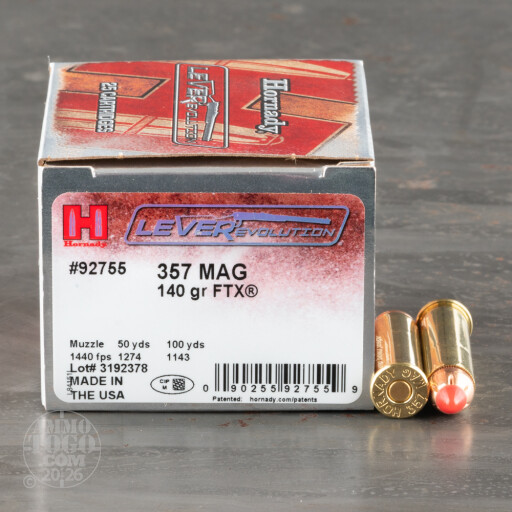
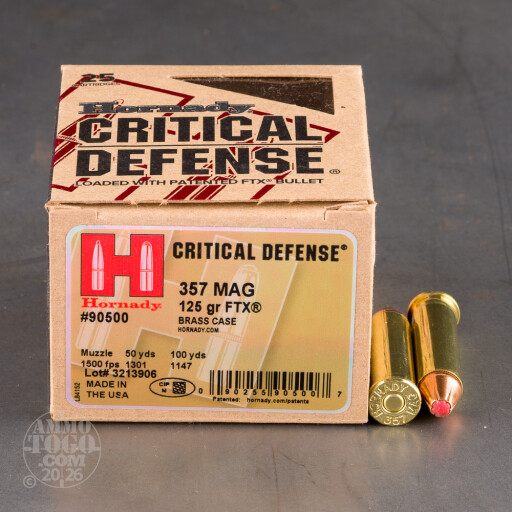
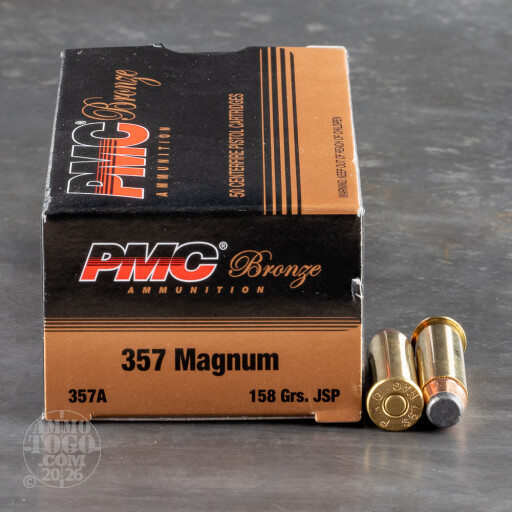
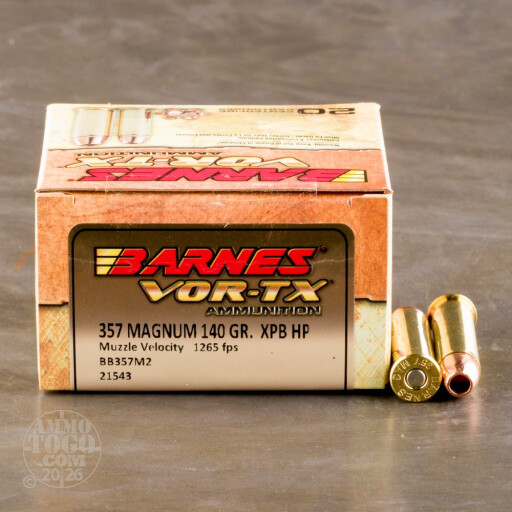
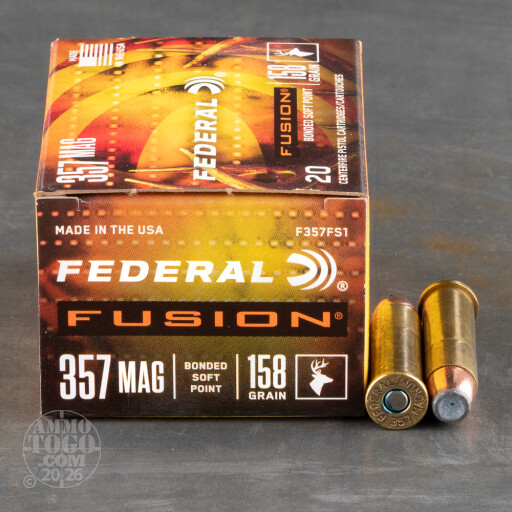
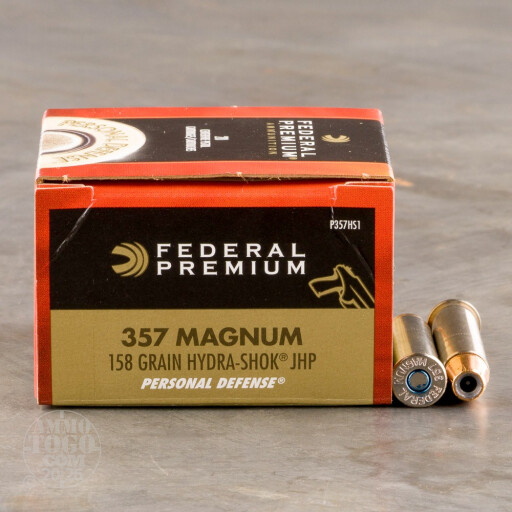
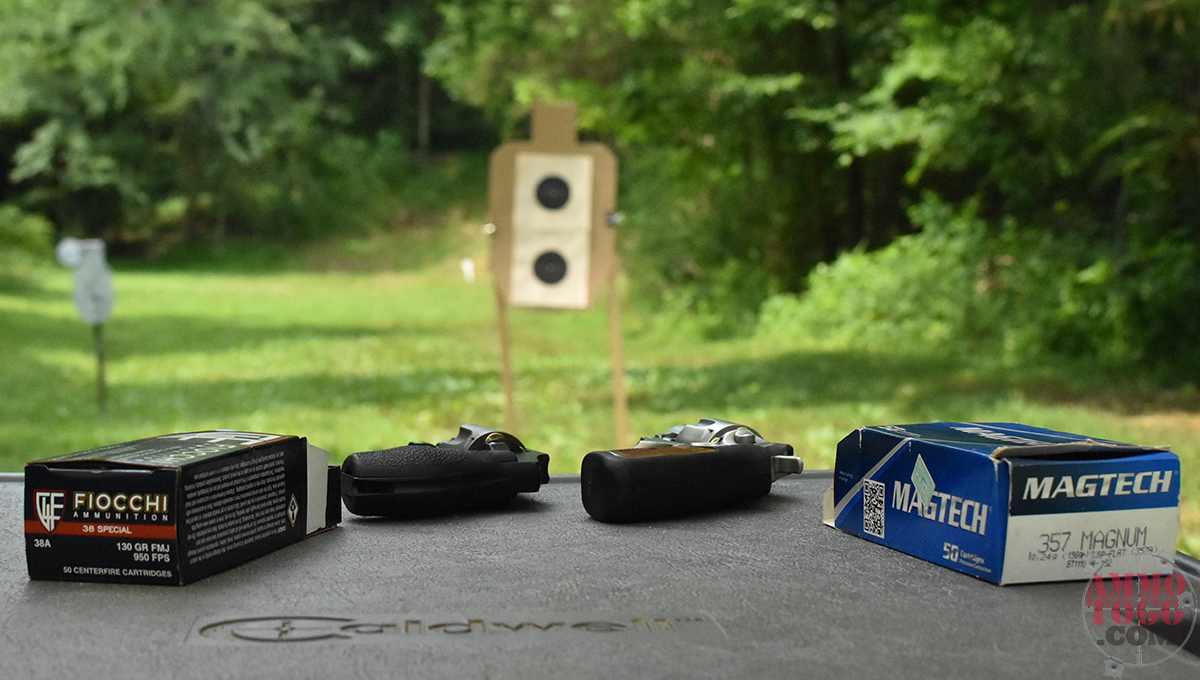
Cartridge Comparison: .38 Special vs .357 Magnum
Let’s Look at How They Compare
| .38 Special (.38 S&W Special) | .357 Magnum (.357 S&W Magnum) | |
|---|---|---|
| Released | 1898 | 1935 |
| Bullet diameter | 0.357 inches | 0.357 inches |
| Neck diameter | 0.379 inches | 0.379 inches |
| Base diameter | 0.379 inches | 0.379 inches |
| Rim diameter | .44 inches | .44 inches |
| Case length | 1.155 inches | 1.29 inches |
| Case capacity | 1.52 cubic centimeters | 1.7 cubic centimeters |
| Total length | 1.55 inches | 1.59 inches |
| Typical bullet weights | 80 - 158 grains | 110 - 200 grains |
| Max pressure (SAAMI) | 17,500 psi | 35,000 psi |
| Common firearm | Revolvers | Revolvers |
| Common magazine capacity | 6 | 6 |
Similarities
While the ballistics are vastly different (see the stats below), the physical size and shape are surprisingly similar. Yes, the .357 Magnum is longer, but as we have already noted, the width is the same. At least from the outside, the .357 Magnum is basically a slightly elongated .38 Special.
There is also a lot of overlap between bullet weights. Although they are launched at different speeds, both cartridges have bullets from roughly 100 to 160 grains. For instance, both can be loaded with 110-, 130-, and 158-grain bullets. (Spoiler alert: the .357 Mag launches the same round with about 33% more velocity.)
Another major similarity is the weapon type: both are fired from revolvers. In fact, a handgun capable of firing .357 rounds can fire .38 Special rounds, although, because of pressure differences, the reverse is not true.
Under Pressures: The Most Important Difference
The most important difference between these two cartridges is not the bullet weight, overall length, or even case size. (Although case size plays a role.) It’s the internal pressures. According to SAAMI standards, the .38 Special maxes out at 17,500 psi, while the .357 goes all the way to 35,000.
This, above all else, makes the biggest difference in velocity, energy, recoil, and threat-stopping potential.
Price
Note: All prices in this article are for example and context only and do not represent an official offer. Ammo prices change daily; for current and official prices, please see our website.
If price is a concern, you will generally find that the .38 Special is more affordable than the .357 Magnum.
Of course, you can find certain .38 Special rounds that are more expensive than specific .357 Magnum options; a budget-minded .357 Magnum loaded with a lead round-nose bullet would likely cost less than a premium .38 Special jacketed hollow point. But in “apples-to-apples” comparisons, with the same bullet style and same purchase type, you will find .38 Specials to be the more affordable option.
When we reviewed pricing on ammotogo.com (early September 2026), we found that the .38 Special was priced between $0.39 and $1.60 per round, while the .357 ran from $0.53 to $2.50 per shot.
Similar products demonstrate the difference. Remington’s 110-grain HTP semi-jacketed hollow points are available in both cartridges; the .38 Special costs $1.25 per round while the .357 costs $1.42. It seems like a slight difference, but it can profoundly impact your budget over thousands of rounds.
Winner on Price: .38 Special
.38 Special vs. 357 Magnum: Velocity
| .38 Special | Muzzle Velocity (fps) | 25 yards | 50 yards | 75 yards | 100 yards |
|---|---|---|---|---|---|
| 110-grain Critical Defense (Hornady) | 1,010 | N/A | 939 | N/A | 882 |
| 125-grain Lawman Total Metal Jacket (Speer) | 865 | 844 | 824 | 804 | 786 |
| 130-grain Blazer Brass FMJ (Blazer) | 865 | N/A | 824 | N/A | 786 |
| 130-grain American Eagle FMJ (Federal) | 890 | 870 | 852 | 834 | 817 |
| 158-grain UMC Lead Round Nose (Remington) | 755 | 739 | 723 | 708 | 693 |
| 158-grain Lead Round Nose (Sellier & Bellot) | 997 | 982 | 967 | N/A | 940 |
| .357 Magnum | Muzzle Velocity (fps) | 25 yards | 50 yards | 75 yards | 100 yards |
| 110-grain HTP SJHP (Remington) | 1,295 | 1,181 | 1,092 | 1,026 | 974 |
| 125-grain FTX Critical Defense (Hornady) | 1,500 | N/A | 1,312 | N/A | 1,163 |
| 140-grain Hyperformance Barnes XPB (Fiocchi) | 1,250 | 1,179 | 1,119 | 1,070 | 1,028 |
| 158-grain HTP SJHP (Remington) | 1,235 | 1,164 | 1,104 | 1,055 | 1,015 |
| 170-grain HammerDown BHP (Federal) | 1,610 | 1,523 | 1,441 | 1,366 | 1,296 |
| 180-grain Solid Core (Federal) | 1,215 | 1,153 | 1,100 | 1,056 | 1,019 |
As we discussed in our cartridge histories, the .357 Magnum was essentially created as a faster version of the .38 Special. But how much faster? It turns out, quite a bit.
When using similar bullets, the .357 Magnum shows significantly faster speeds. For instance, we examined 125-grain rounds for both cartridges; the Magnum was 335 fps faster at the muzzle and nearly 500 fps faster at 50 yards. Granted, these are different products, but it highlights the speed differences of the two cartridges.
Even the lightest, fastest .38 Special rounds are slower than the .357 Magnum. (Light bullets are typically faster, at least at the muzzle.) Overall, the .357 is clearly the faster round, a result that comes with no surprise.
Winner: .357 Magnum
.38 Special vs. 357 Magnum: Energy Comparison
| .38 Special | Muzzle (ft-lbs) | 25 yards | 50 yards | 75 yards | 100 yards |
|---|---|---|---|---|---|
| 110-grain Critical Defense (Hornady) | 249 | N/A | 215 | N/A | 190 |
| 125-grain Lawman Total Metal Jacket (Speer) | 208 | 198 | 188 | 180 | 172 |
| 130-grain Blazer Brass FMJ (Blazer) | 208 | N/A | 188 | N/A | 172 |
| 130-grain American Eagle FMJ (Federal) | 229 | 219 | 209 | 201 | 193 |
| 158-grain UMC Lead Round Nose (Remington) | 200 | 191 | 183 | 176 | 168 |
| 158-grain Lead Round Nose (Sellier & Bellot) | 349 | 338 | 328 | N/A | 310 |
| .357 Magnum | Muzzle Velocity (fps) | 25 yards | 50 yards | 75 yards | 100 yards |
| 110-grain HTP SJHP (Remington) | 410 | 340 | 291 | 257 | 232 |
| 125-grain FTX Critical Defense (Hornady) | 624 | N/A | 478 | N/A | 376 |
| 140-grain Hyperformance Barnes XPB (Fiocchi) | 486 | 432 | 389 | 356 | 329 |
| 158-grain HTP SJHP (Remington) | 535 | 475 | 428 | 391 | 361 |
| 170-grain HammerDown BHP (Federal) | 978 | 876 | 784 | 704 | 634 |
| 180-grain Solid Core (Federal) | 590 | 531 | 484 | 446 | 415 |
When comparing similar bullet sizes, you’ll see that the .357 Magnum, because of the enhanced speed, also has superior energy. Looking at the above table, you’ll see the .357 Magnum has muzzle energies ranging from about 400 to nearly 1,000 foot-pounds, while the .38 Special has an initial energy of about 200 to 350.
But what if you compare a larger bullet (which should have more energy) in the .38 Special to a smaller bullet (which would bring less energy) in the Magnum? The result is essentially the same. For example, Remington’s .38 Special UMC cartridge with a 158-grain bullet has a muzzle energy of 200 ft-lbs, while their .357 Magnum FTX Critical Defense with a 125-grain bullet has a muzzle energy of 624. This is only one comparison, but it highlights the clear dominance of the .357 Magnum’s overall power.
The .38 Special has never been the most powerful, but it clearly has less energy than the .357 Magnum.
Winner: .357 Magnum
Trajectory Comparison
| .38 Special | 25 yards (Inches of drop) | 50 yards | 75 yards | 100 yards |
|---|---|---|---|---|
| 125-grain Lawman Total Metal Jacket (Speer) | 0 | -2.2 | -7.5 | -16.2 |
| 130-grain American Eagle FMJ (Federal) | 0 | -2.0 | -7.0 | -15.1 |
| 158-grain UMC Lead Round Nose (Remington) | 0 | -3.1 | -10.3 | -21.8 |
| 158-grain Lead Round Nose (Sellier & Bellot) | 0.1 | -1.6 | N/A | 12.3 |
| .357 Magnum | 25 yards | 50 yards | 75 yards | 100 yards |
| 110-grain HTP SJHP (Remington) | 0 | -0.7 | -3.1 | -7.6 |
| 140-grain Hyperformance Barnes XPB (Fiocchi) | 0 | -0.7 | -3.1 | -7.3 |
| 158-grain HTP SJHP (Remington) | 0 | -0.7 | -3.2 | -7.6 |
| 170-grain HammerDown BHP (Federal) | N/A | 0 | -1.1 | -3.4 |
| 180-grain Solid Core (Federal) | 0 | -0.7 | -3.3 | -7.7 |
Trajectory is less of a concern for handgun users than rifle marksmen. But it always helps to have a straight-flying bullet. While you may never fire a revolver over 100 yards (especially a .38 -caliber snub-nose), you can expect straighter trajectories from the .357 Magnum. In fact, a typical .38 cartridge will give you about 8 more inches of drop, which makes the .357 a better option for testing your long-range handgun skills.
Winner: .357 Magnum
Recoil for the .38 Special and .357 Magnum
So far, it seems like we have written a thesis on why the .357 is better. But there is one aspect where the .38 Special holds an advantage: recoil. Whether you are an experienced shooter or a new gun owner, lighter recoil brings comfortable shooting, faster follow-up shots, more confidence, and better accuracy. With significantly lighter recoil, the .38 Special is undoubtedly the better option for recoil-sensitive shooters.
Bottomline: While .357 Magnum is More Powerful, .38 Special Rarely Disappoints
The .38 Special remains a powerful and effective self-defense cartridge, but many people prefer the undebatable stopping power of the .357 Magnum. Don’t forget, however, that the .38 Special is certainly a capable round; after all, it was used to protect police officers and citizens through most of the 20th century.
If you hunt with a handgun, you will likely prefer the power and penetration of the .357 Magnum, but if you are interested in a day of target-shooting at the range, your wallet may be better served by the .38 Special.