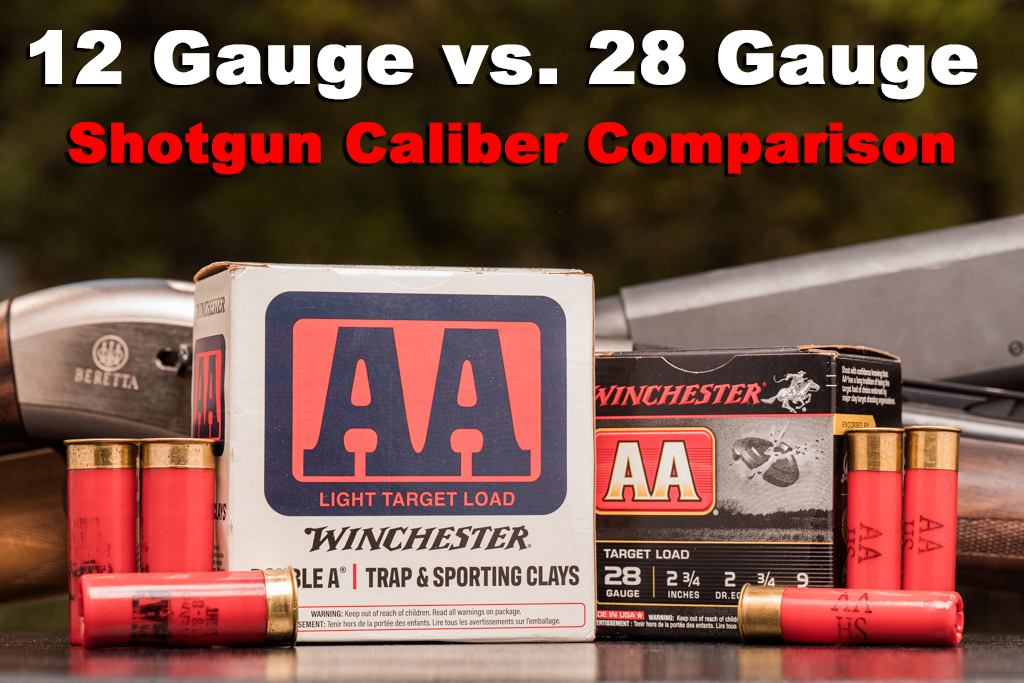


A side by side comparison of the venerable 12 gauge versus the smaller 28 gauge shotgun caliber.
Imagine yourself at the local outdoor shop. You’re in the market for a new bird-hunting shotgun, and, because everyone knows a 12-gauge is the go-to choice, you’re probably going with this classic bore.
But at the end of the gun rack, nearly eclipsed by larger shotguns and rifles, is a sleek 28-gauge over-under shotgun with a walnut stock and polished chrome finish. Your eye can’t stop going back to this nimble, stylish little shotgun.
“It’s too small,” you tell yourself.
“You can only hunt mice with that thing,” says the voice inside your head.
Despite these thoughts, you simply can’t help yourself. You keep going back to that pretty little break-action shotgun. You keep imagining yourself tromping through fall prairie grass with this handy shotgun, impressing the entire hunting party with its sleek style, light weight, and surprising performance.
Should you give it a try? Should you take the risk, or should you stick with the reliable, powerful, versatile 12-gauge?
The 12 gauge is the most trusted single-gun solution for hunters and outdoor enthusiasts. But it’s not perfect for all situations. The 28 gauge, as we will show, has a place in any gun locker.
12 Gauge vs 28 Gauge: Upfront Differences
| 12 Gauge | 28 Gauge | |
|---|---|---|
| Bore diameter | .729 inches | .55 inches |
| Shot sizes | #9 shot - 300-grain slugs | #9 - #3 shot |
| Shot weight | 1 oz - 1-3/4 oz | 3/4 oz to 1-1/4 oz |
| Lengths | 1.75 to 3.5 inches | 2.75 to 3 inches |
| Best uses | All | Upland bird, waterfowl |
Physical Shape, Size, and Weight
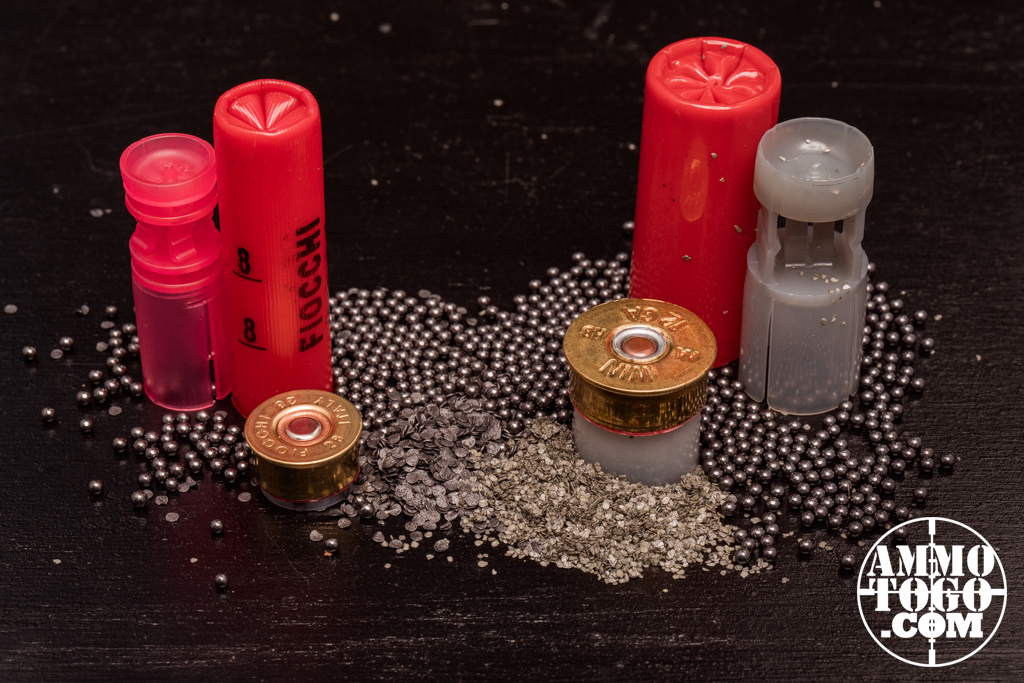
To state the obvious, the 12 gauge is larger. It has a larger diameter, packs heavier projectiles and load totals, and has longer shells as well. It’s not the biggest shotgun shell on the market (and bigger is not always better), but it easily outsizes the 28, as well as most of the common gauges.
The Market for 12- and 28-gauge Shotguns
Because the 12-gauge is the most versatile and popular shotgun load, it’s also the one most supported by the industry. (Or, perhaps, it’s the most popular because it’s backed by the industry.) Finding 12-gauge ammunition is relatively easy, and while the 28-gauge is not impossible to find, it’s far less common.
For instance, when this article was written we had 13 options for 28-gauge ammunition in-stock. At the same time, we had 305 options for 28-gauge buyers. Just over ten versus more than 300. If you want versatility and nearly guaranteed access to ammo, the 12 gauge is a better choice.
The 12 gauge also supports a wide variety of shot types. While barrels may need to be changed, 12-gauge options include everything from small pellets to 300-grain slugs. There are loads for quail, duck, geese, deer, turkey, clays, and home defense. The 28-gauge is mostly limited to upland bird and target rounds.
Shotgun Differences
While there is some overlap in size, length, weight, and other factors, a 28-gauge shotgun is lighter and more nimble. People who use the 28, especially for upland bird, often cite the gun’s light weight, which allows for snap aiming when a bird flushes from the grass.
12 vs 28 Gauge: Performance/Ballistics
Compared to rifle and handgun ammunition, shotgun ammo is short on data. However, we can make basic assumptions based on available stats and common knowledge…
Velocity
| Ammo | Muzzle Velocity (fps) |
|---|---|
| Federal Upland High Velocity #4 Shot, 2 3/4" | 1,500 |
| Fiocchi Golden Pheasant #4 Shot, 3" Shell | 1,200 |
| Remington Premier Bismuth #5 Shot, 3" Shell | 1,400 |
| Winchester Super Pheasant #5 Shot, 3" Shell | 1,350 |
| Average for 12 Gauge | 1,363 |
Velocity is less important to shotgun users, but it still matters. Most people considering a 28-gauge shotgun are concerned that it will be too slow, that the small shell will result in less propellant and, therefore, less speed.
| Ammo | Muzzle Velocity (fps) |
|---|---|
| Federal Upland High Velocity #6 Shot, 2 3/4" Shell | 1,295 |
| Fiocchi Golden Pheasant #6 Shot, 3" Shell | 1,200 |
| Remington Premier Bismuth #4 Shot, 2 3/4" Shell | 1,200 |
| Winchester Super Pheasant #5 Shot, 3" Shell | 1,200 |
| Average for 28 Gauge | 1,224 |
While the 28-gauge is not as fast as the 12, it seems to hold its own. Depending on the load and shell size, a 28 gauge can approach 1,300 fps, while typical loads are 1,200 fps or faster.
Power
If you are looking for outright power and energy, the 12-gauge shotgun is the superior choice. It has more speed, a heavier load, and more propellant, making it far more powerful than the 28-gauge.
Recoil
Here is one clear advantage for the 28-gauge. This shotgun shell has a lighter load, making it easier on the shoulder. A 3.5-inch 12-gauge shell can be a hard-hitting, shoulder-thumping round; many prefer the light touch of a 28.
12 Gauge vs 28 Gauge Shotguns: Our Conclusion
Advantages of the 12 gauge
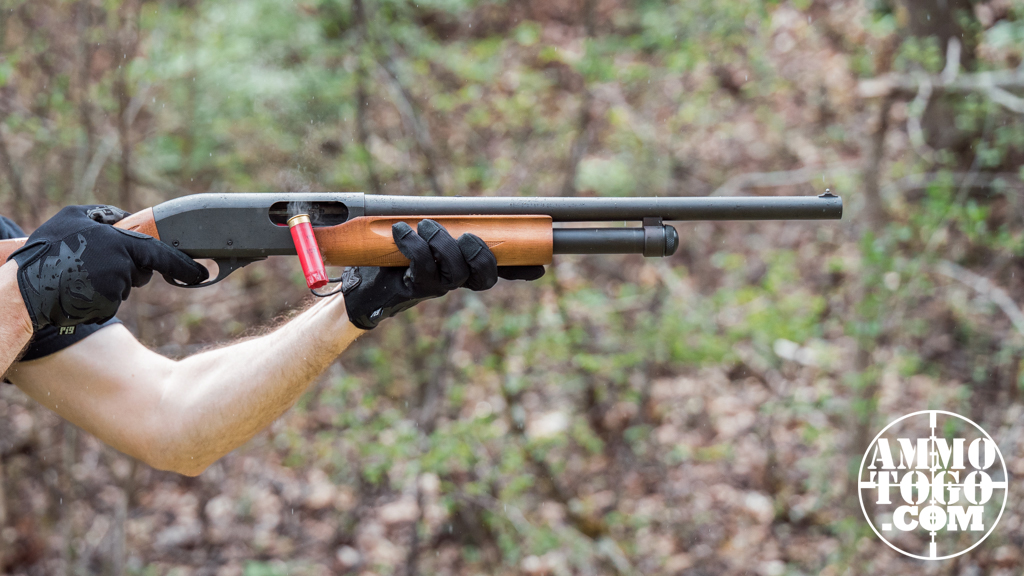
Power and versatility. These are the reasons that the 12-gauge is so popular. The 12 gauge can do things that the 28 gauge simply can’t. 12 gauge is enough to deer hunt. 12 gauge owners can go along on turkey hunts. It can drop geese from the sky. Few would use a 28-gauge shotgun for these purposes.
12 gauge ammo is also available in numerous load options. While the 28 is limited to upland bird and target loads, the 12 gauge is available with slugs, buckshot, and a vast assortment of pellets and birdshot.
The 12 gauge is also better for home defense. While no intruder could ignore a 28-gauge blast, the 12 has far more stopping power. Also, numerous 12-gauge options are made specifically for home defense. They usually feature a few buckshots and a slug; these rounds are unavailable in the 28.
Advantages of the 28 gauge
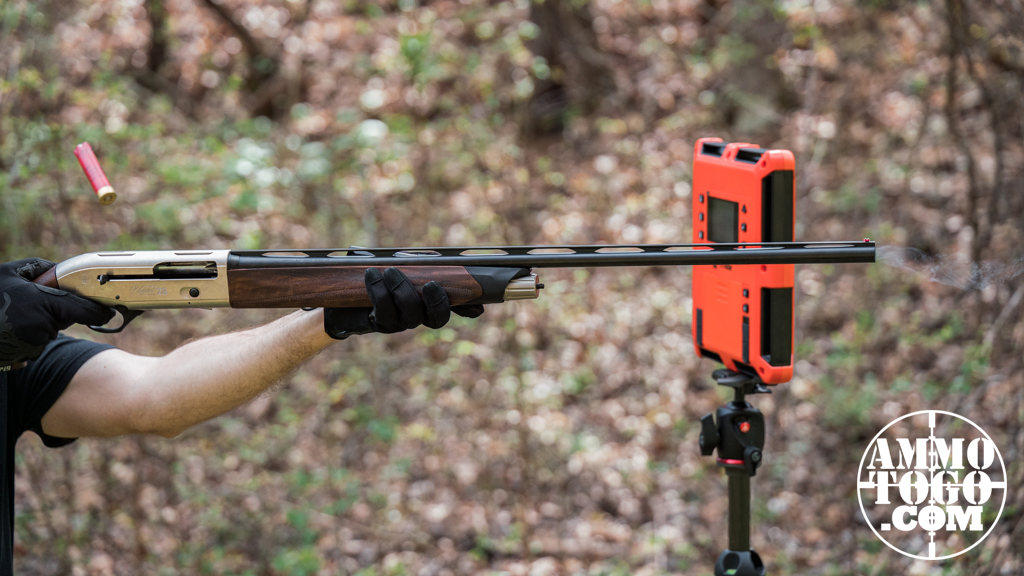
The 28 gauge shotgun should not be ignored, as there are clear advantages. If you want something that is lighter, a gun that can be carried over miles of prairie grass on an upland bird hunt, the 28 gauge will fit your needs. It can be carried with ease and quickly snapped into position when a bird explodes from the brush.
With a lighter recoil, it’s also better for smaller or younger shooters who may struggle to control a 12-gauge. People learning to shoot can fire a shotgun that is more comfortable and less intimidating. The light recoil also makes for better second and third shots, which even the best bird hunters need on occasion.
The 28 gauge should never be cast aside as a weak weapon made only for children. It’s perhaps the most under-appreciated hunting tool, and it can be a magnificent addition to your collection.
Maybe, just maybe, you should purchase that little 28-gauge shotgun at the end of the gun aisle. And when you do, you can find the affordable ammunition you need by visiting ammotogo.com.