
A side by side comparison of the popular 7.62×51 and 7.62×39 rifle calibers.
The 7.62x51mm and 7.62x39mm might share the same caliber size, but they are two very different rounds. While they both have a military heritage, they have become popular for hobby shooting and competition. They have even seen use among hunting circles.
So which is right for you?
To find out, it helps to understand the ballistic performance of these two rounds. But first, you need to know the engaging story behind these two historic cartridges.
Can’t wait for the answers? Here’s a quick summary:
Advantages of the .7.62x51mm NATO:
- More speed
- Higher energies
- Straighter trajectories
Advantages of the 7.62x39mm Soviet:
- More ammo options
- Lower prices
- Less recoil
A History of 7.62 Cartridges
7.62x51mm (Aka 7.62 NATO)
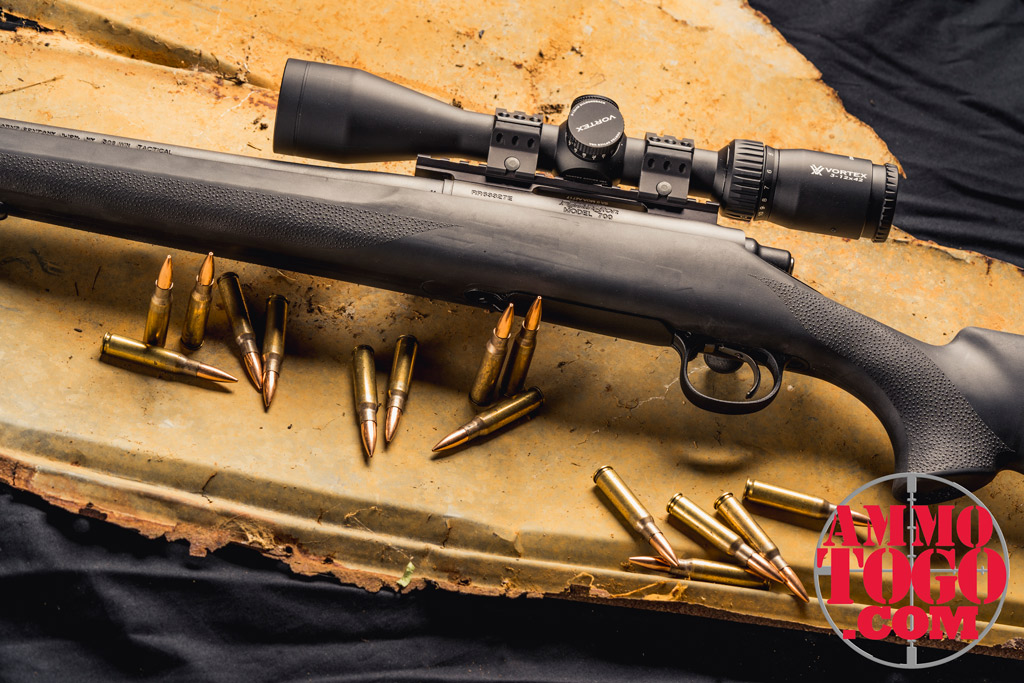
The 7.65×51 ammunition cartridge was developed for the North Atlantic Treaty Organization (NATO), which was founded essentially as an anti-Soviet group to counterweight the Soviet Union’s control of the eastern Europe. NATO wanted to have a standardized rifle cartridge that could be used among all their forces.
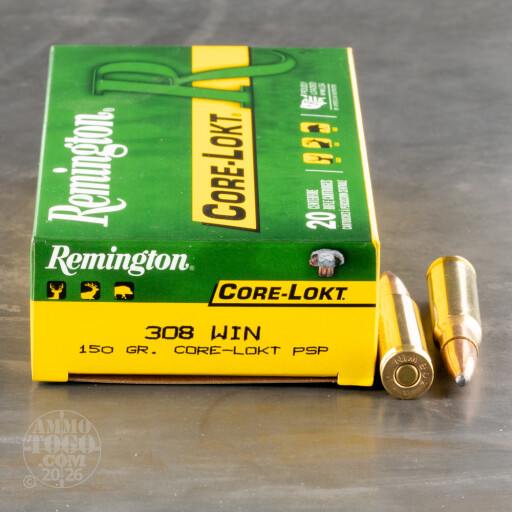

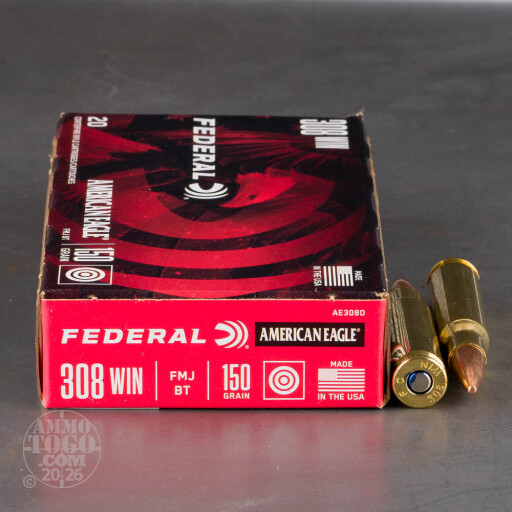
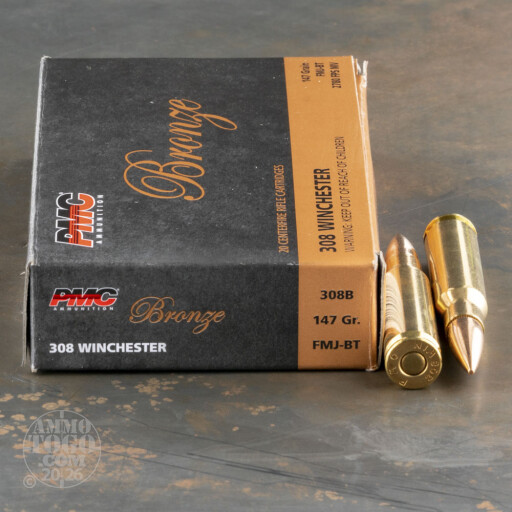
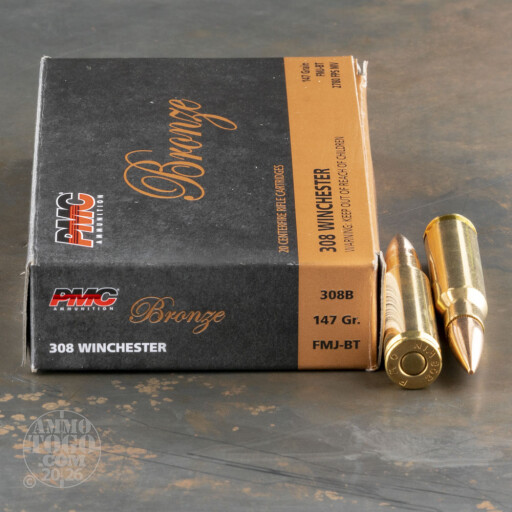
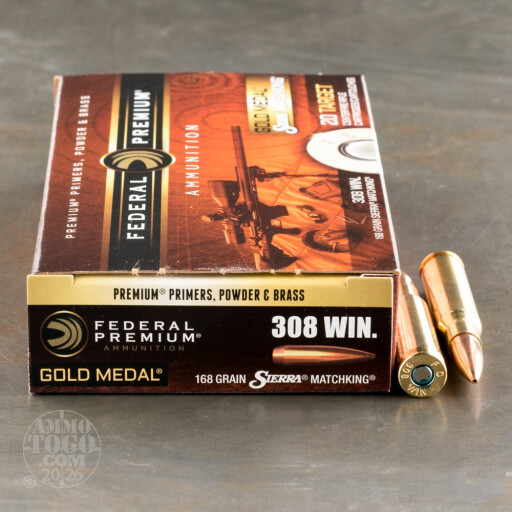
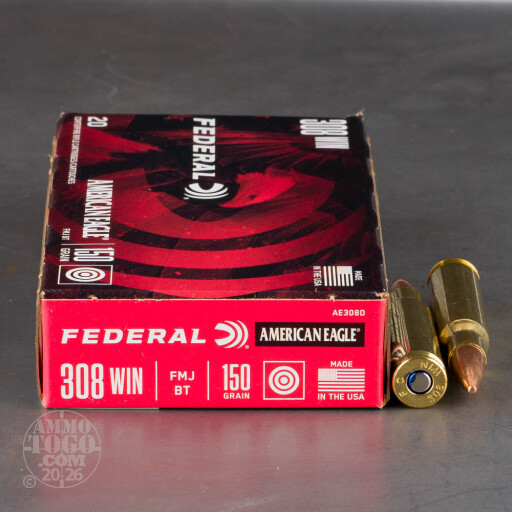
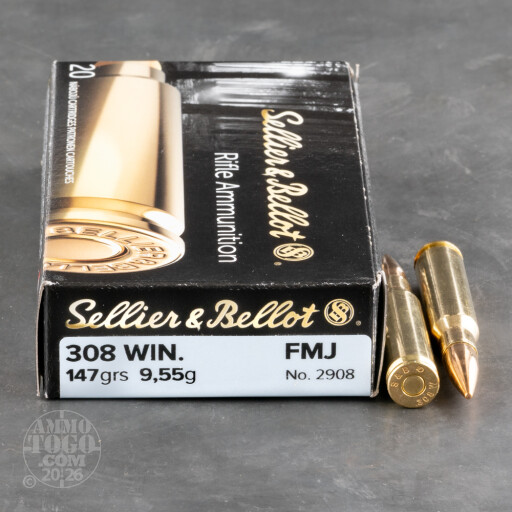
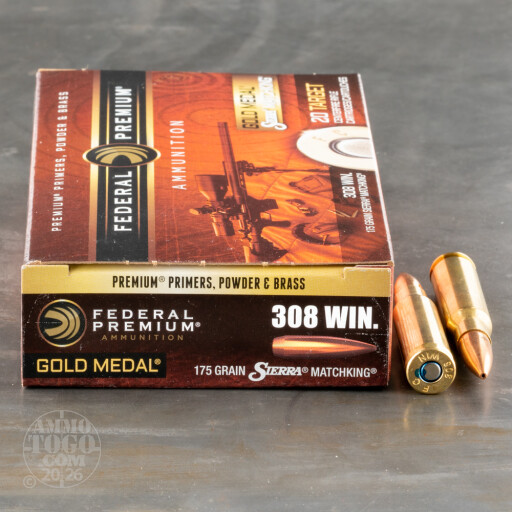
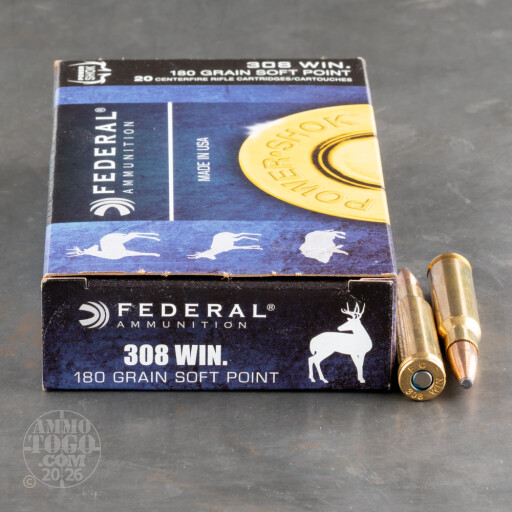
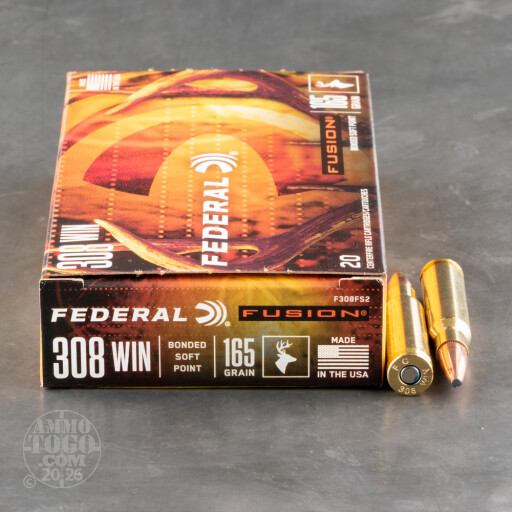
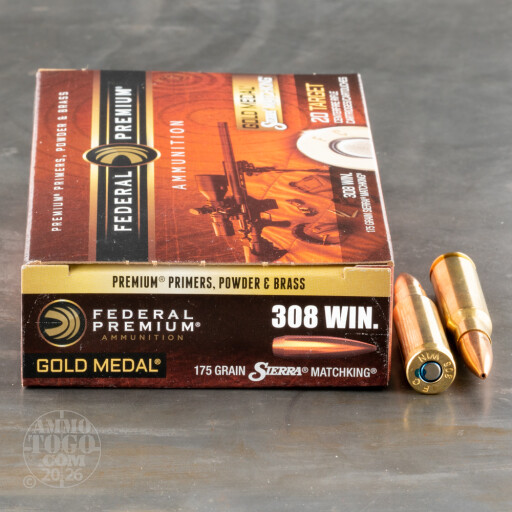
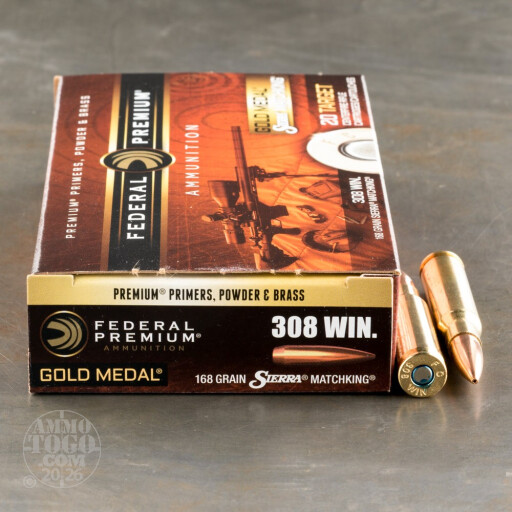
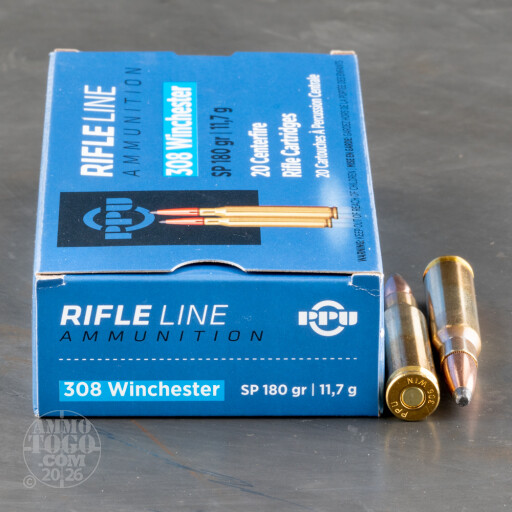
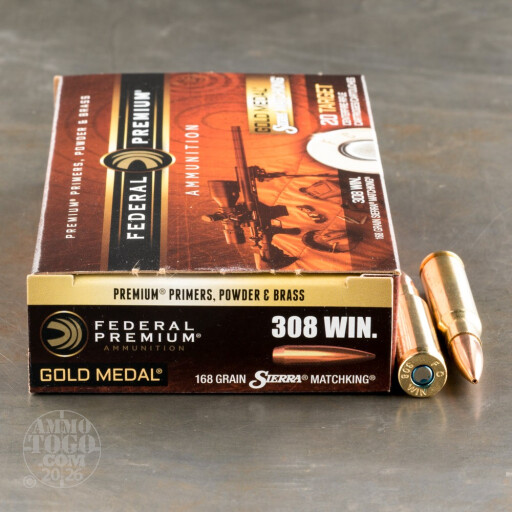
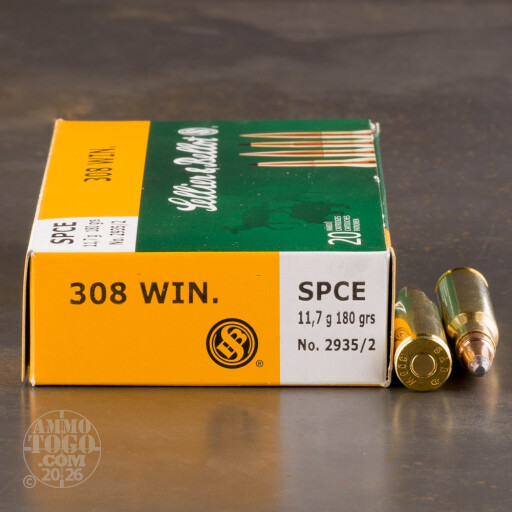
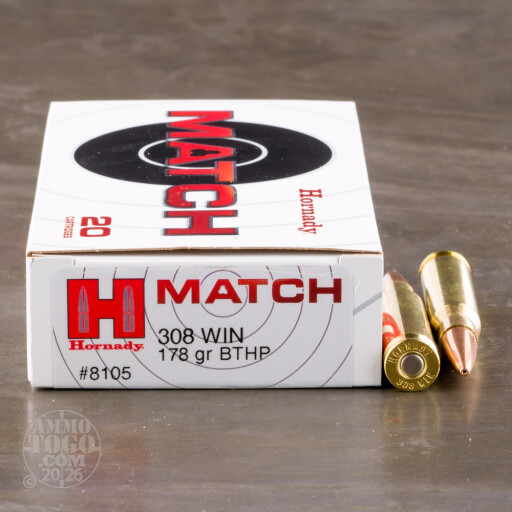
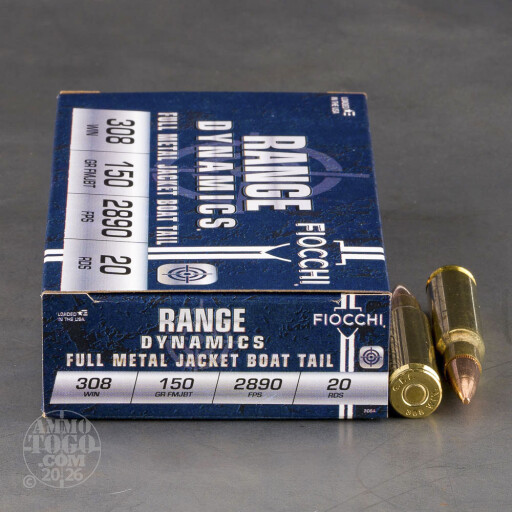


Using the .308 Winchester cartridge as a base, the round was modified slightly. They wanted to eliminate feeding issues and to reduce overall cartridge pressure .
The 7.62×51 or 7.62 NATO (which is another common name for the caliber) was officially introduced into military service in conjunction with the M14 rifle. This rifle would go through multiple modifications throughout the years.
7.62×51 was first released in 1954, but American forces did not use the ammunition in significant fighting until the Vietnam war. In Vietnam, the military discovered the cartridge had a few disadvantages in jungle warfare.
Because of its size, troops could not carry as many rounds as the enemy, who carried the shorter 7.62x39mm. Also, the length of the M14 rifle made combat more difficult in tight jungle space.
Eventually, the M16 rifle and 5.56x45mm cartridge replaced the M14-7.62 NATO combination as the primary American weapon of that conflict, but the modified .308 Winchester remains an important part of United States and European military forces to this day.
Military forces from the U.S. and other NATO countries still use the 7.62 NATO, although it is primarily used for mounted-machine-gun and sniper-rifle purposes. In most cartridges, you will find the 7.62 NATO with bullets at roughly 145 to 175 grains.
Side note: 7.62x51mm is NOT the .308 Winchester, but it’s close. The .308 Winchester is generally loaded to higher pressures, but they are generally interchangeable in rifles chambered for one round or the other.
7.62×39mm (Aka 7.62 Soviet)
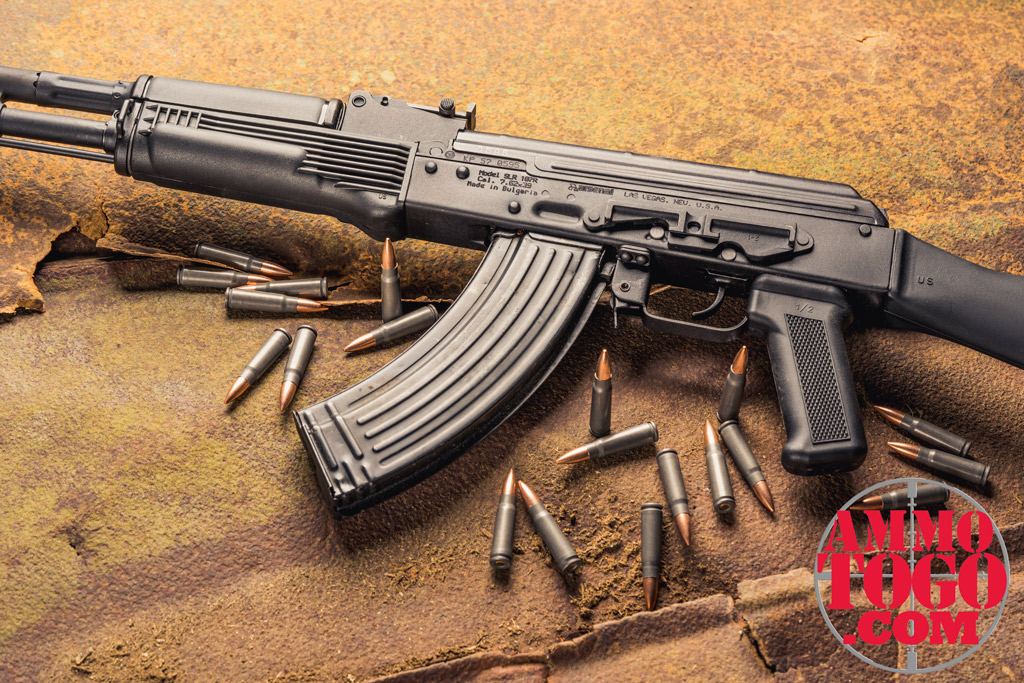
7.62×39 ammunition and the caliber as a whole, which is often called the “7.62 Soviet” (for clarity, this is what we will call it), was developed in the 1940’s as a do-it-all round for the Soviet Union. At the time, the Soviet Union was engaged in war with Nazi Germany.
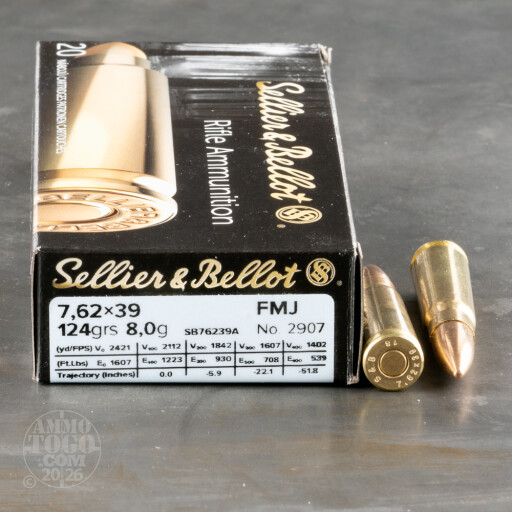

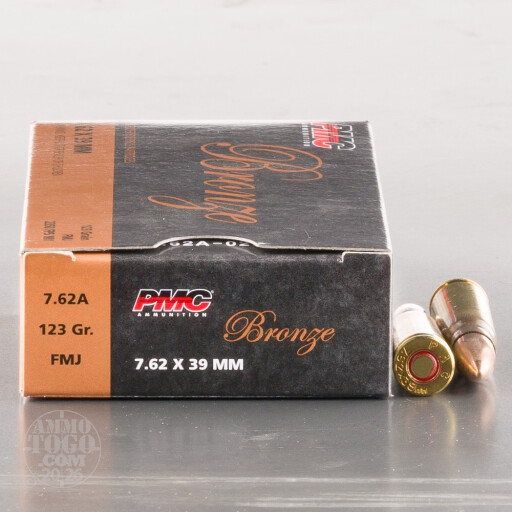
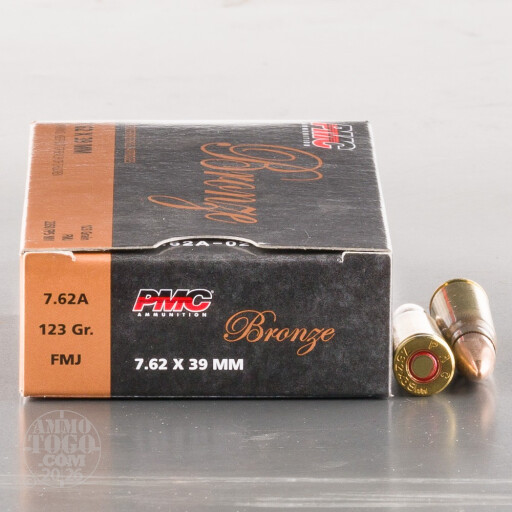
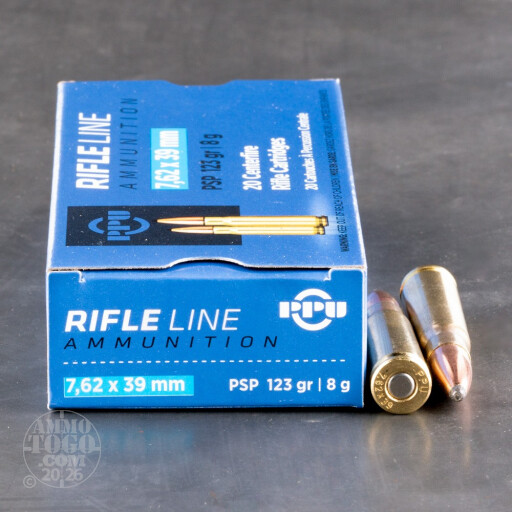

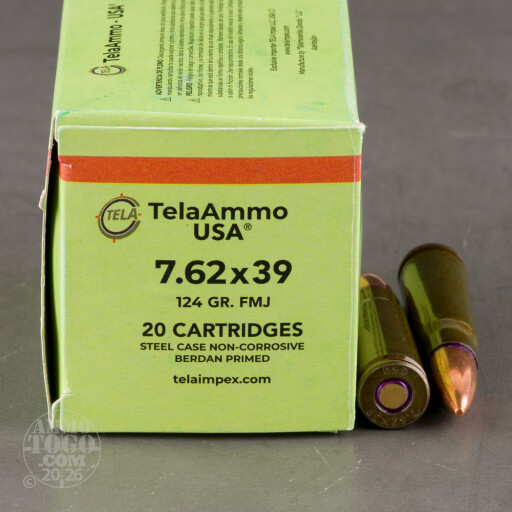
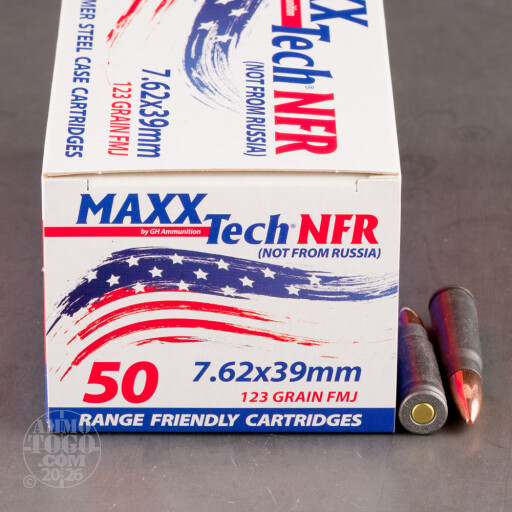
The Soviets wanted a round that could meet many different needs. Primarily, they wanted to maintain longer effective ranges than pistol cartridges while being small enough to be carried by infantry troops. The initial development started in 1944 and the caliber was used at the tail end of World War II.
After World War II, the AK-47 was developed. Chambered for the versatile 7.62 Soviet, the AK-47 became a dependable weapon for Soviet and communist forces throughout the 20th century. The rifle still has a reputation as a reliable weapon that can withstand the most rugged conditions, from mud to sand to frost. With the spread of the AK-47, the 7.62 Soviet became one of the most-widely used cartridges in the world.
7.62×39 remains a popular cartridge among both military personnel and has even become a popular round for private gun-owners in America.
It is used in hunting for game as large as whitetail deer. It’s also become one of the most popular competition and general-shooting rounds, thanks in large part to its high availability and relatively low cost. When searching for ammo, you will find 7.62 Soviet rounds with a bullet weight of roughly 123 grains.
7.62×51 vs 7.62×39 Comparison
| 7.62x51mm NATO | 7.62x39mm Soviet | |
|---|---|---|
| Released | 1954 | 1943 |
| Bullet Diameter | 0.308 inches | 0.309 inches |
| Neck Diameter | 0.345 inches | 0.339 inches |
| Base Diameter | 0.470 inches | 0.447 inches |
| Case Length | 2.015 inches | 1.524 inches |
| Overall Length | 2.8 inches | 2.205 inches |
| Bullet Weights | 147 - 175 grains | 111 - 125 grains |
| Typical Firearm (Civilian Use) | AR-10 Semiautomatics | AK-style Semiautomatic |
It’s difficult to compare the two cartridges, as it is not a straight comparison and rarely are any variables the same. They have different powder loads, different grain sizes, and are not interchangeable cartridges.
However, we’ll do our best to help you understand the difference between the two by focusing on the aspects that concern most gun owners.
Similarities
Despite the differences, there are some similarities. From the shooter’s perspective, both are fired (primarily) from semiautomatic rifles, although the NATO is fired from AR-style firearms, while the Soviet is loaded into rifles that the resemble AK-47.
Physically, the most important similarity is bullet diameter. The difference (of one-thousandth of an inch) is imperceptible to the naked eye; for all practical purposes, they have the same diameter.
What’s Cheaper to Shoot – 7.62×39 vs. 7.62×51?
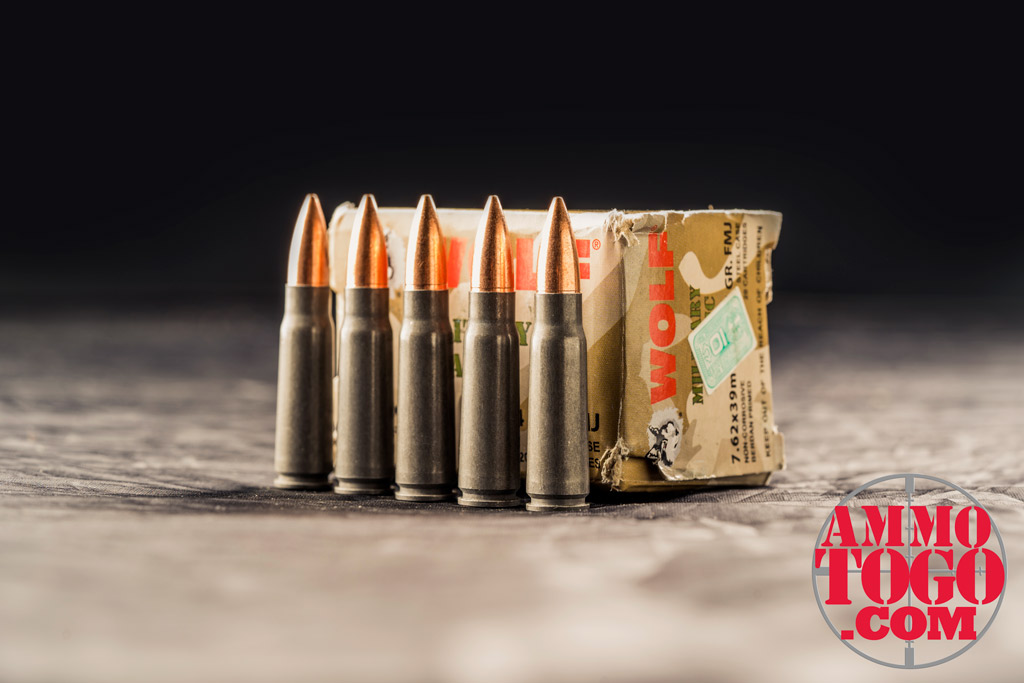
Although pricing will depend on the brand, where you buy, and market availability, you will likely discover that he 7.62 Soviet is often more affordable.
A quick inventory search at ammotogo.com will show this trend. Prices will change, but a quick review found that the 7.62 NATO had a lowest per-round price of $0.84, while the 7.62 Soviet was available for as low as $0.54 per shot. That thirty-cent difference seems small, but over a thousand rounds, it amounts to $300. You literally get more bang for your buck with the 7.62x39mm.
Advantage: 7.62 Soviet
Velocity Difference – 7.62×39 vs. 7.62×51
| 7.62x51mm NATO | Muzzle (fps) | 100 yards | 200 | 300 | 400 | 500 |
|---|---|---|---|---|---|---|
| 147-grain FMJ-BT X-TAC (PMC Ammunition) | 2,800 | 2,593 | 2,397 | 2,210 | 2,034 | 1,866 |
| 149-grain FMJ Target & Practice (Winchester) | 2,790 | 2,591 | 2,401 | 2,219 | 2,045 | 1,879 |
| 175-Grain Sierra Matchking BT-HP (Federal) | 2,600 | 2,427 | 2,262 | 2,102 | 1,949 | 1,803 |
| Average | 2,730 | 2,537 | 2,353 | 2,177 | 2,009 | 1,849 |
| 7.62x39mm Soviet | Muzzle (fps) | 100 yards | 200 | 300 | 400 | 500 |
| 123-grain HP Match American Gunner (Hornady) | 2,350 | 2,053 | 1,780 | 1,535 | 1,323 | 1,159 |
| 123-grain FMJ Target & Practice (Winchester) | 2,355 | 2,026 | 1,726 | 1,463 | 1,247 | N/A |
| 125-grain PSP Core-Lokt (Remington) | 2,365 | 2,062 | 1,782 | 1,532 | 1,319 | 1,153 |
| Average | 2,357 | 2,047 | 1,763 | 1,510 | 1,296 | 1,156 |
Because the 7.62 NATO is a larger cartridge loaded with more powder, it delivers the bullet at a faster speed than the 7.62 Soviet, despite the heavier projectile.
In our comparison, we see a muzzle-velocity advantage of about 500 fps at the muzzle for the NATO. This advantage is maintained downrange, as the Soviet slows to less than 1,200 fps at 500 yards, while the NATO still cruises at nearly 1,900 fps. You may never shoot at this distance, but it’s a clear demonstration of the NATO’s speed advantage.
Advantage: 7.62×51
Energy
| 7.62x51mm NATO | Muzzle (ft-lbs) | 100 yards | 200 | 300 | 400 | 500 |
|---|---|---|---|---|---|---|
| 147-grain FMJ-BT X-TAC (PMC Ammunition) | 2,611 | N/A | N/A | N/A | N/A | N/A |
| 149-grain FMJ Target & Practice (Winchester) | 2,575 | 2,221 | 1,907 | 1,629 | 1,383 | 1,168 |
| 175-Grain Sierra Matchking BT-HP (Federal) | 2,627 | 2,290 | 1,987 | 1,717 | 1,476 | 1,264 |
| Average | 2,604 | 2,256 | 1,947 | 1,673 | 1,430 | 1,216 |
| 7.62x39mm Soviet | Muzzle (ft-lbs) | 100 yards | 200 | 300 | 400 | 500 |
| 123-grain HP Match American Gunner (Hornady) | 1,508 | 1,151 | 865 | 643 | 479 | 367 |
| 123-grain FMJ Target & Practice (Winchester) | 1,515 | 1,121 | 814 | 584 | 425 | N/A |
| 125-grain PSP Core-Lokt (Remington) | 1,552 | 1,179 | 881 | 651 | 482 | 369 |
| Average | 1,125 | 1,150 | 853 | 626 | 462 | 368 |
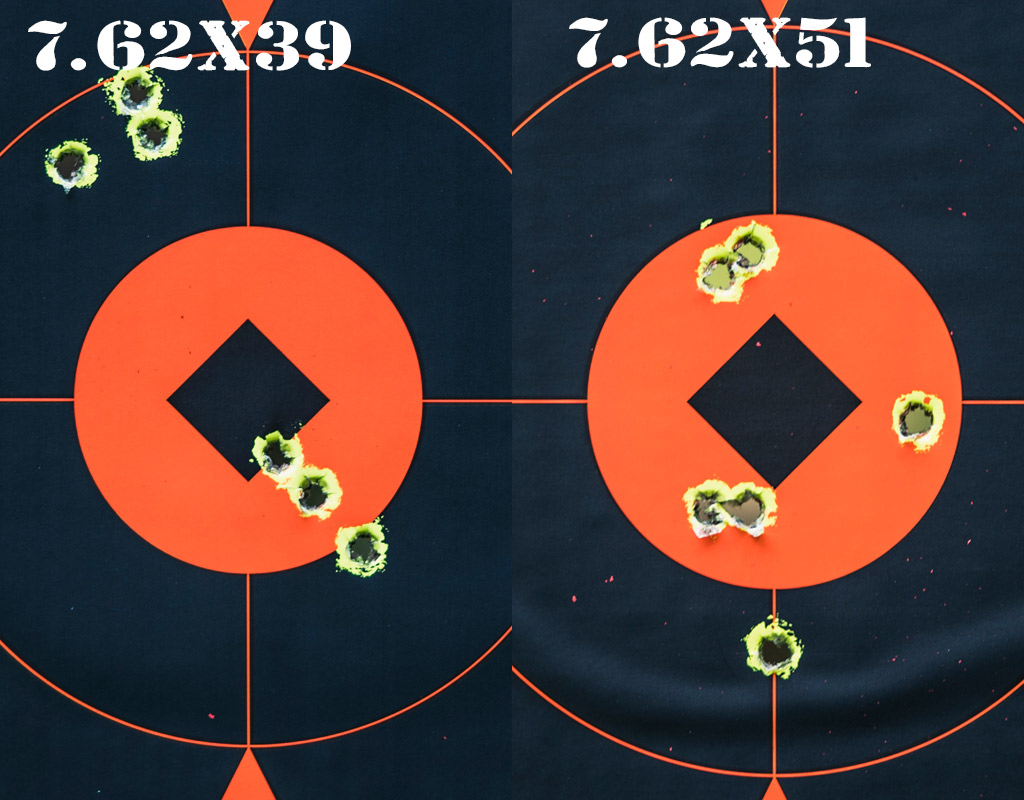
As you might have already guessed, the larger powder load and heavier bullet in the 7.62 NATO result in higher ratings for muzzle and downrange energy.
While our data is a little incomplete (PMC only provides muzzle energy, while Winchester’s 7.62×39 FMJ only goes to 400 yards), we see a clear advantage for the NATO. It starts with an advantage of roughly 1,000 ft-lbs, and maintains this hefty advantage far down the range. High-powered, long-range performance was never the goal for the 7.62×39 Soviet, and it’s clearly out-muscled by the 7.62x51mm.
Advantage: 7.62 NATO
Trajectory of 7.62×51 vs. 7.62×39
| 7.62x51mm NATO | 100 yards | 200 | 300 | 400 | 500 |
|---|---|---|---|---|---|
| 147-grain FMJ-BT X-TAC (PMC Ammunition) | 1.9 | 0 | -8 | -23.2 | -47 |
| 149-grain FMJ Target & Practice (Winchester) | N/A | 0 | -7.9 | -22.9 | -46.1 |
| 175-Grain Sierra Matchking BT-HP (Federal) | 2.2 | 0 | -9.1 | -25.8 | -51.8 |
| Average | 2.1 | 0 | -8.3 | -24 | -48.3 |
| 7.62x39mm Soviet | 100 yards | 200 | 300 | 400 | 500 |
| 123-grain HP Match American Gunner (Hornady) | 3.4 | 0 | -14.4 | -43.8 | -93 |
| 123-grain FMJ Target & Practice (Winchester) | 3.8 | 0 | -15.6 | -47.6 | N/A |
| 125-grain PSP Core-Lokt (Remington) | 3.4 | 0 | -14.5 | -44.0 | -93.9 |
| Average | 3.5 | 0 | -14.8 | -45.1 | -93.5 |
It’s generally accepted that the 7.62 NATO has a flatter trajectory; the stats back this up.
While these rounds are not considered long-range sniper loads, the trajectory of the NATO cartridge is far superior. At 300 yards, it drops about six inches less than the Soviet. By 500 yards, this difference is nearly four feet. This suggests that the NATO can be used at distances of 400 or 500 yards, while the Soviet drops off at roughly 300 yards.
Advantage: 7.62 NATO
Recoil Comparison
It’s generally accepted that the 7.62 NATO has a flatter trajectory; the stats back this up.
While these rounds are not considered long-range sniper loads, the trajectory of the NATO cartridge is far superior. At 300 yards, it drops about six inches less than the Soviet. By 500 yards, this difference is nearly four feet. This suggests that the NATO can be used at distances of 400 or 500 yards, while the Soviet drops off at roughly 300 yards.
Advantage: 7.62 NATO
The Bottom Line:
Choose 7.62 NATO for Accuracy, Distance-Shooting
Choose 7.62 Soviet for High-Volume
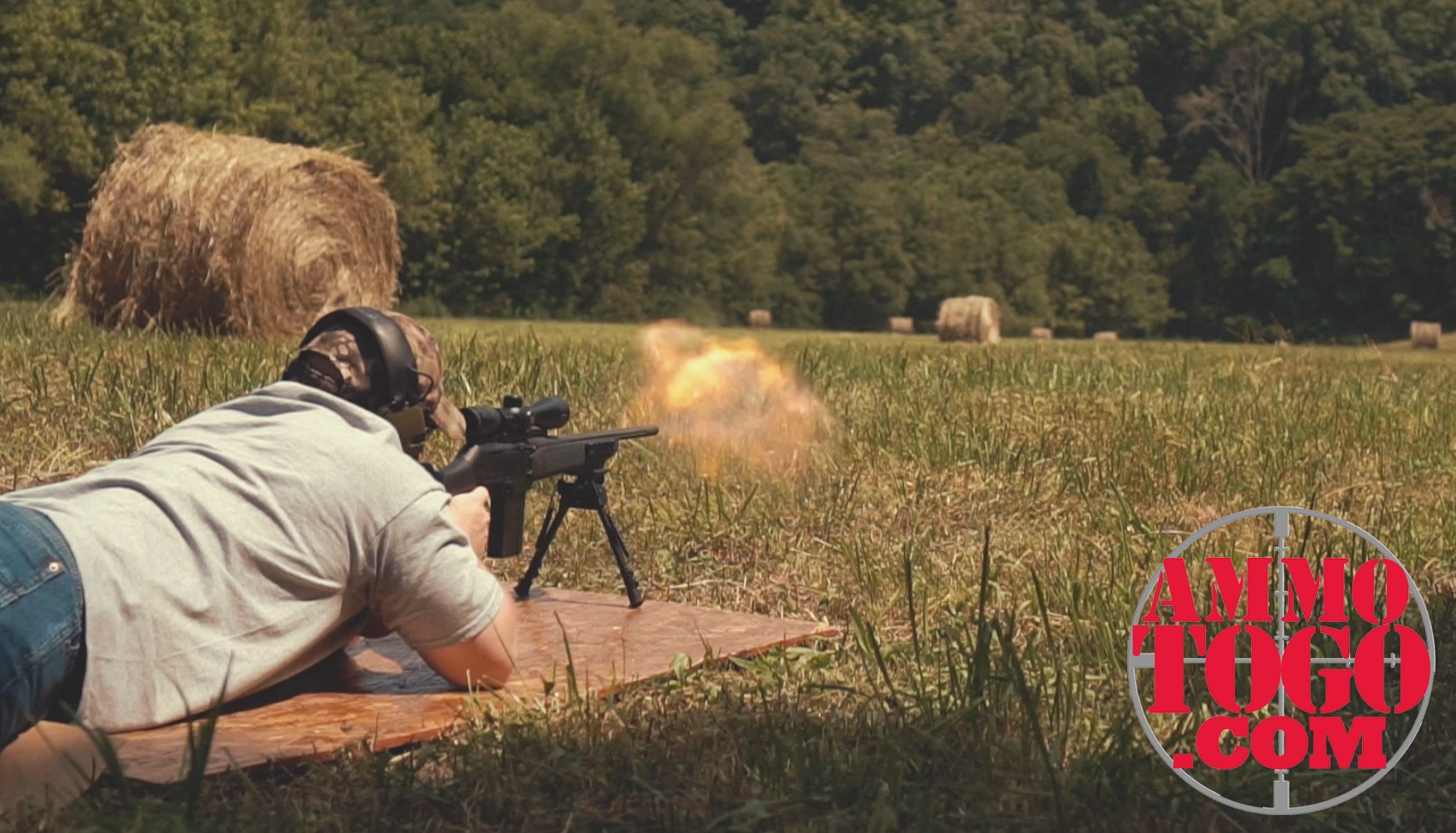
If you still can’t decide between the two, it’s probably best to think about your goals for rifle ownership.
Advantages of the 7.62x51mm NATO:
- Better speeds, energies, and trajectories
- Can be used for long-range competition and hunting
Advantages of the 7.62x39mm Soviet:
- Better ammo prices and more cartridge availability
- Less recoil for lighter shooting
- Makes a better option for high-volume shooting
If you’re interested in long-distance competition or hobby shooting, then the 7.62 NATO is likely your best option. If you are more interested in high-volume shooting, a rifle chambered for the 7.62 Soviet will likely be a better choice. In either case, both are tried and true calibers that are a true joy to shoot!