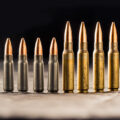


They are two of the more popular rifle calibers among American shooters. Let’s take a look at 223 vs. 308 and see the benefits of each caliber relative to the other.
The .223 Remington and the .308 are two extremely popular rounds that can be used for many different purposes. Although they have different characteristics, these cartridges are often top choice for American rifle owners and it’s not unusual to hear shooters debate the merits of 223 vs. 308 rifles.
So, which one is the best choice? That all depends on your goals and preferred activities.
Quick Results: .223 Remington vs .308 Winchester
Advantages of the .223 Remington…
- Less recoil
- Faster speeds from the muzzle to 200 yards
- Low price and high availability
- Better for small game and varmint hunting
Advantages of the .308 Winchester…
- More energy
- Faster downrange speeds (300 yards and beyond)
- Better for deer and large game
Cartridge Histories: .223 Remington and .308 Winchester
History of the .223 Remington
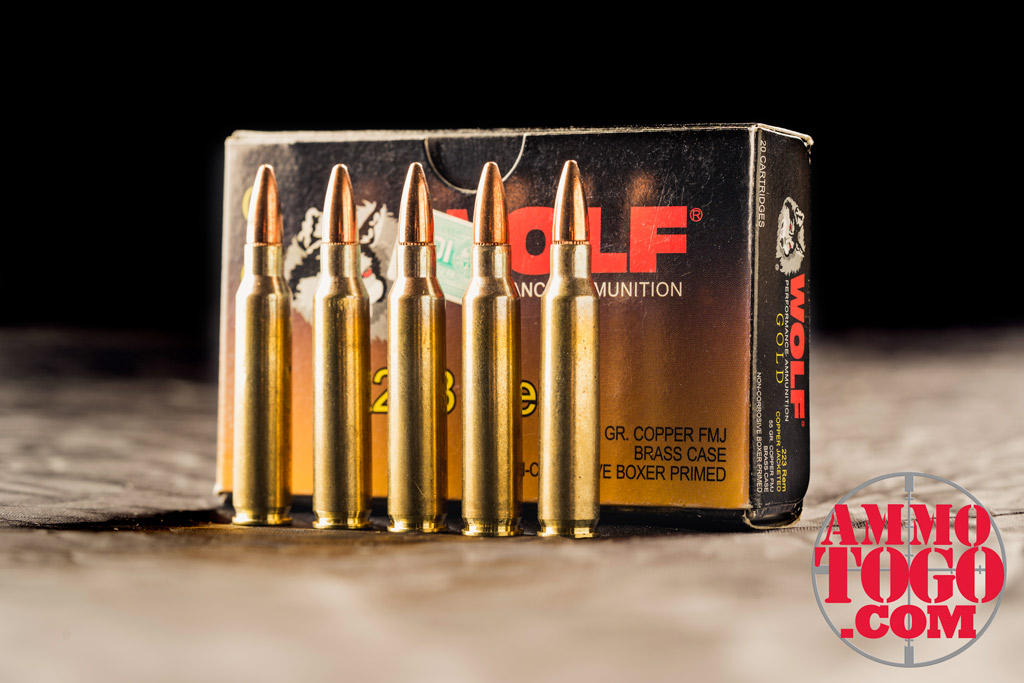
Although the .223 is newer than the .308 Winchester, it’s the smaller of the two cartridges, so we will start here. Popular, versatile, and accurate, this cartridge has found a home in hunting fields and target ranges all across the country.
The .223 Remington was first developed as a small-caliber, high-velocity military round, with initial release in 1964. It predecessors were the .222 Remington and the .222 Remington Magnum, but this cartridge was named “.223” to give it distinction in the market.
The cartridge was first conceived during a call by the U.S. government for a fast small-caliber round that could meet specs set by the U.S. Continental Army Command. Through numerous development phases and testing, the bullet was eventually released to the public in 1963, becoming an immediate sensation.
As you might know, .223 Remington is the civilian version of the 5.56×45 NATO cartridge, which has been used by the U.S. military since the Vietnam War.
Thanks to speed, accuracy, and a flat trajectory, the .223 Remington practically eliminated the need for rifles chambered for similar sizes, such as the .222 Remington and the .222 Remington Magnum.
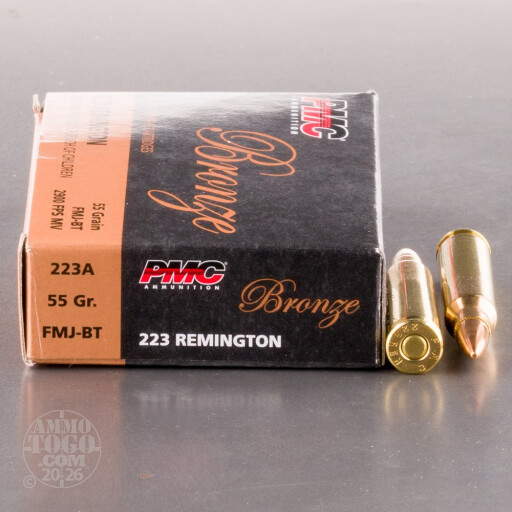
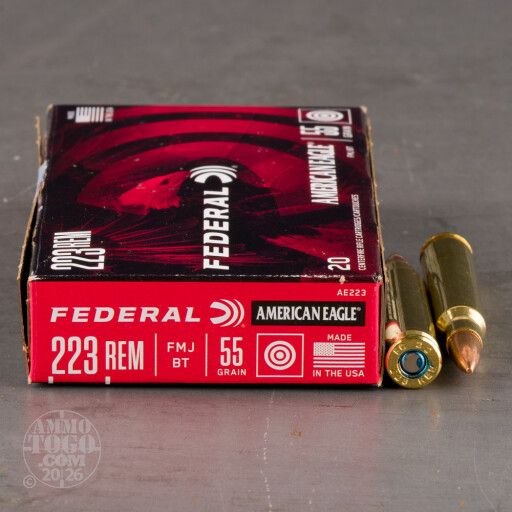
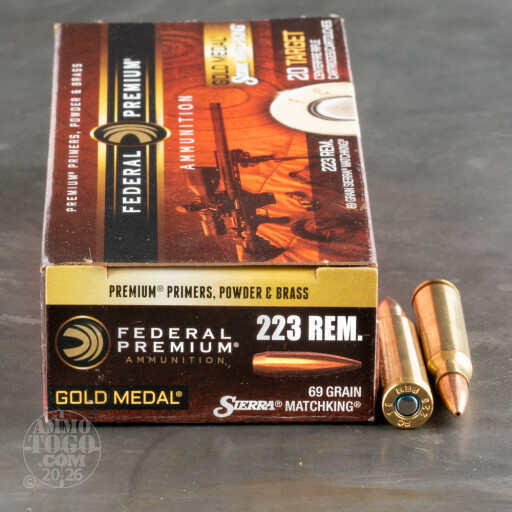
The .223 Remington remains a popular cartridge used for virtually every conceivable purpose, from home defense to high-volume target shooting. It is typically loaded with a bullet ranging between 40 and 70 grains, but the most common grain size is 55.





History of .308 Winchester
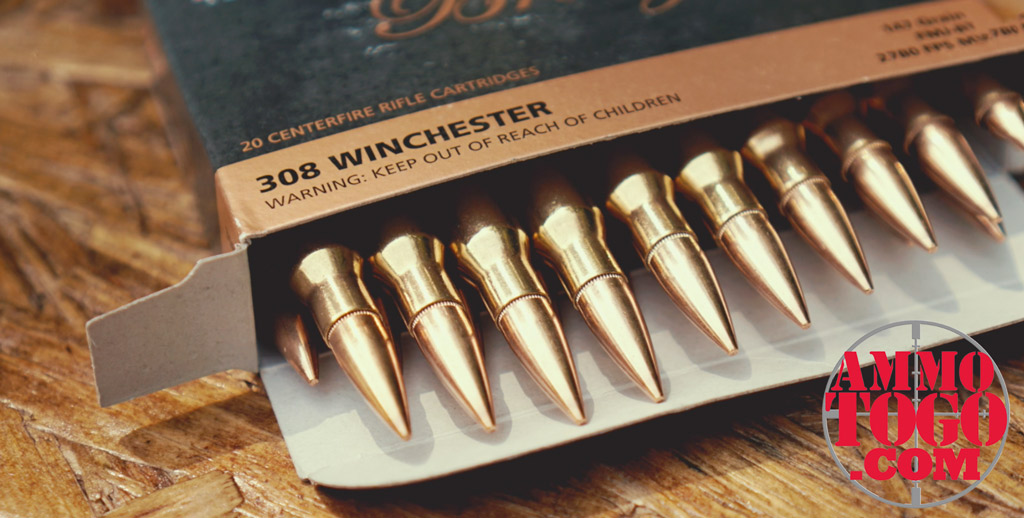
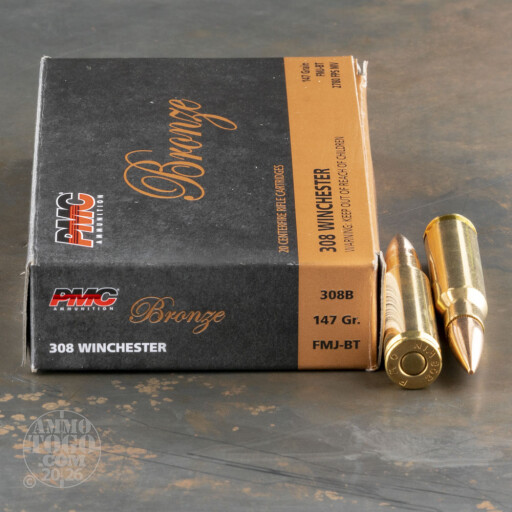
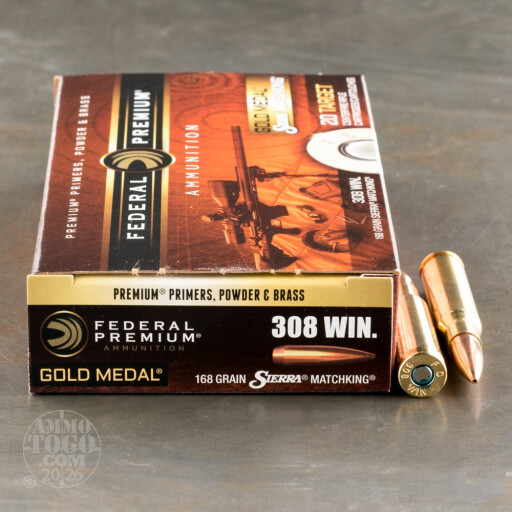
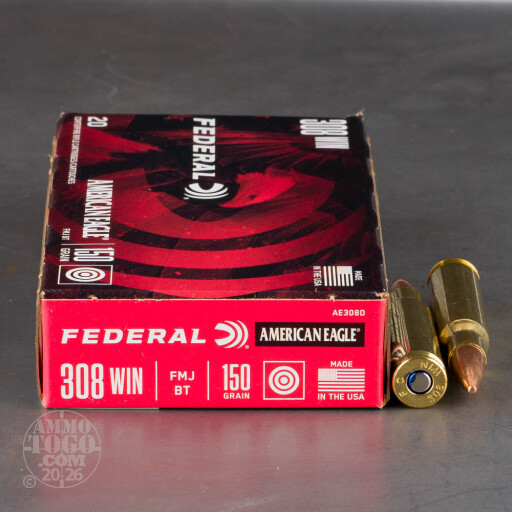
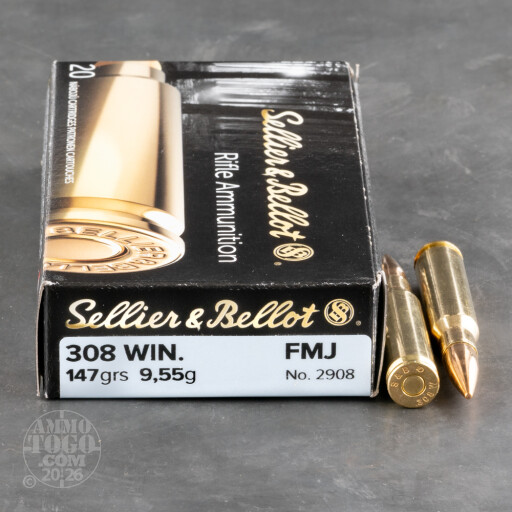
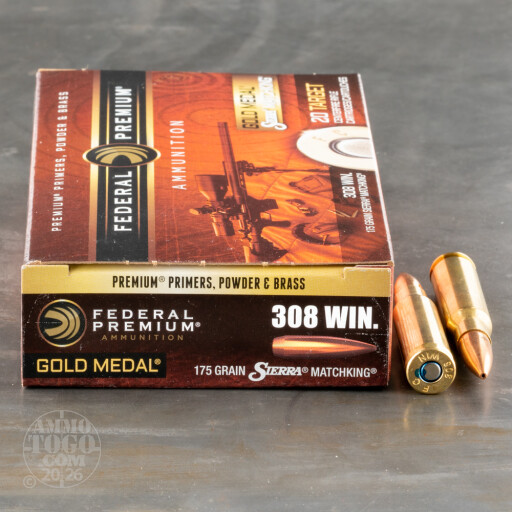
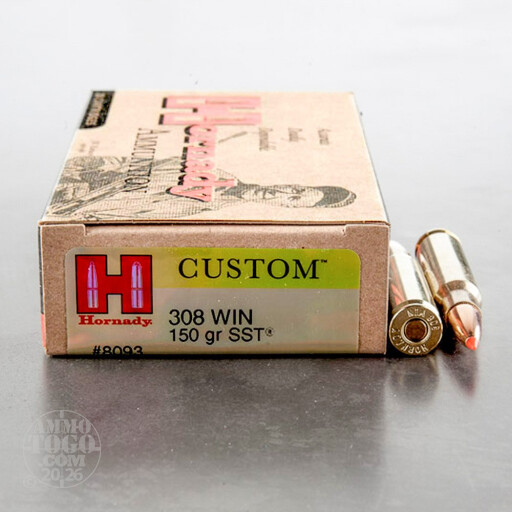
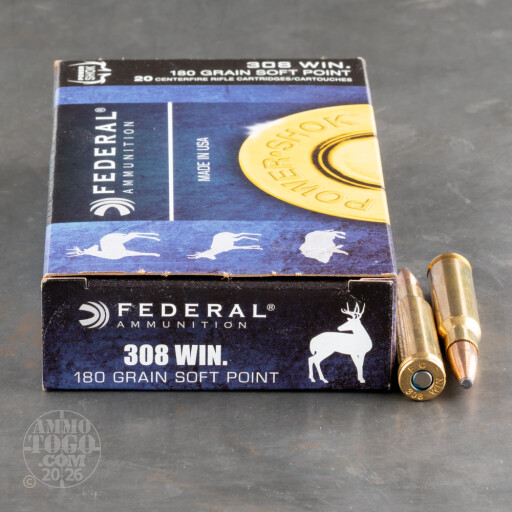
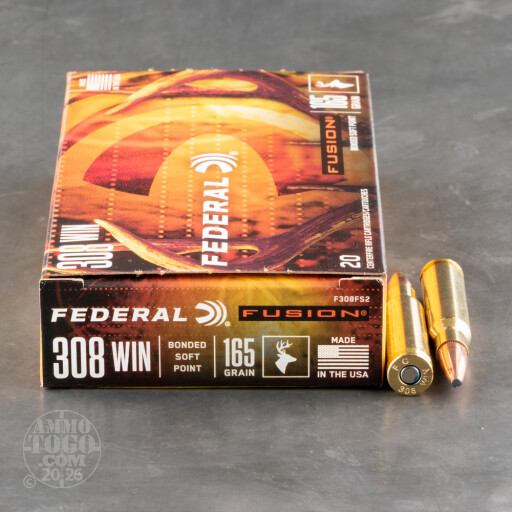
The .308 Winchester was first released in 1952 and gained a strong following among the gun-ownership community, especially among medium- to large-game hunters. It was, as you may have guessed, developed by the Winchester Repeating Arm Company, a prominent American firearms company.
Most cartridges, even hunting and sport cartridges, trace their origins to military purposes, and the .308 Winchester is no different. While the .30-30 Winchester and .30-06 Springfield cartridges had served the U.S. military well, new advancements in propellants allowed for the same power in a smaller cartridge. This allowed ammo developers to create a cartridge with similar ballistics in a smaller package, which would mean a shorter action in the rifle. In the end, this would allow the cartridge to function more reliably in semi-automatic weapons.
However, when first released the round was a civilian cartridge marketed primarily to hunters. Two years later, in 1954, the military version, the 7.62x51mm NATO round was released.
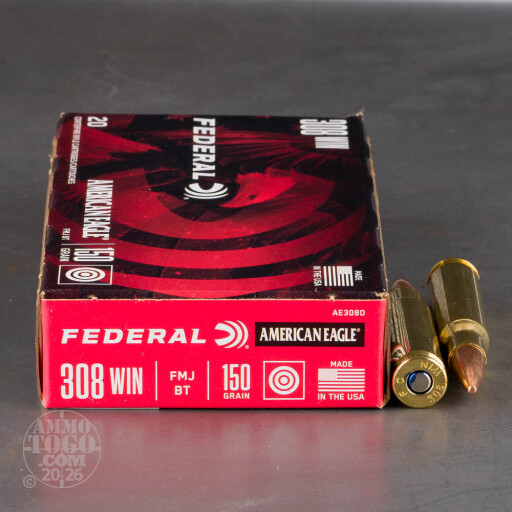
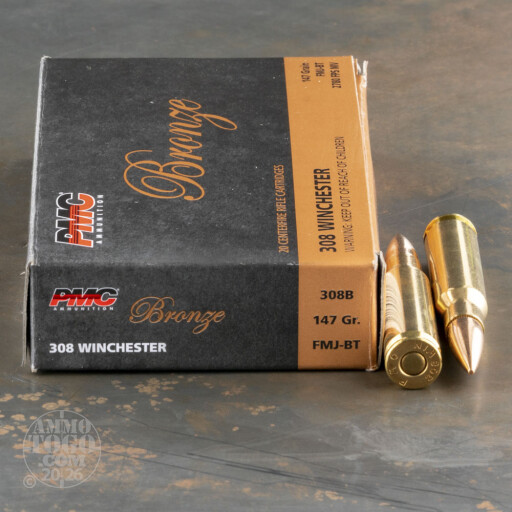
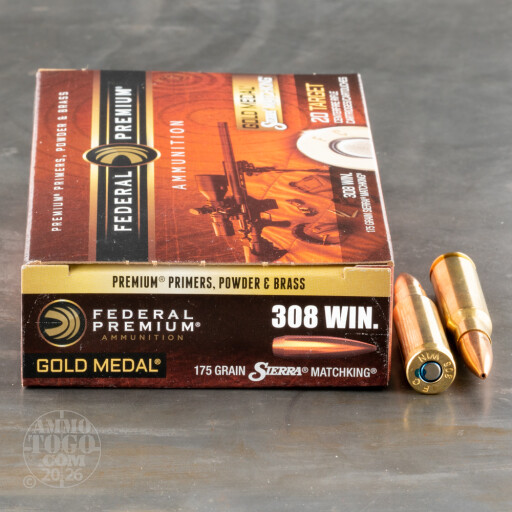
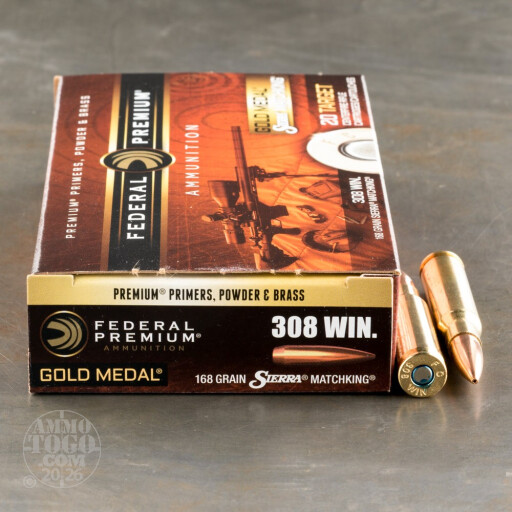
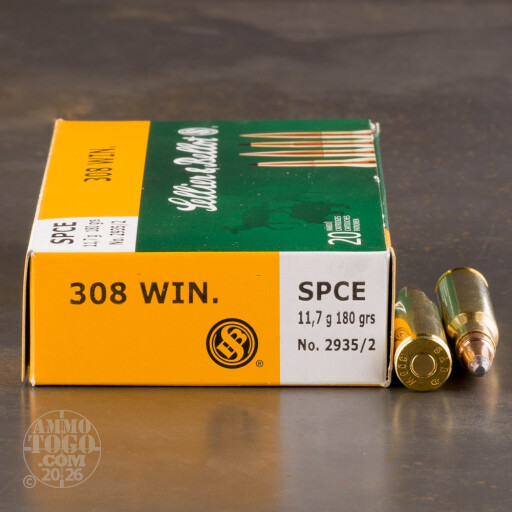
To this day, the .308 Winchester remains one of the most popular rounds for hunting and target shooting. You can find .308 Winchester rounds loaded with bullets as large as 180 grains, but they are typically loaded with bullets ranging from about 150 to 160 grains.
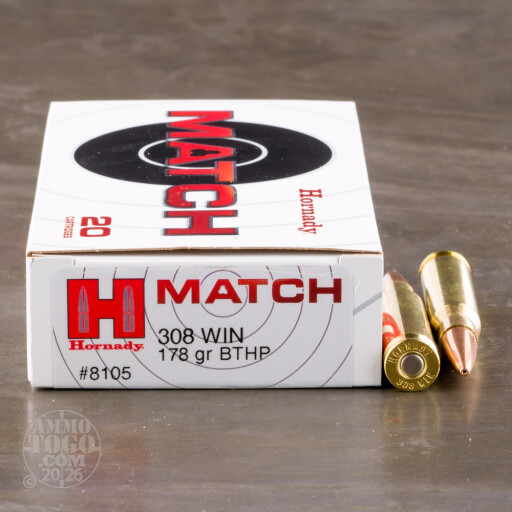
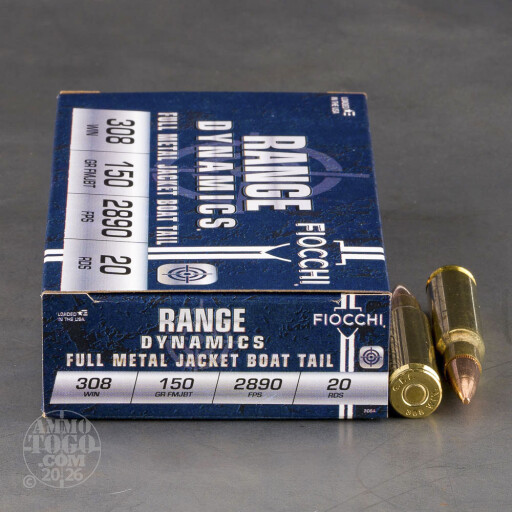
.223 vs .308 Winchester: Upfront Differences
| .223 Winchester | .308 Winchester | |
|---|---|---|
| Released | 1962 | 1952 |
| Bullet Diameter | 0.2245 inches | 0.308 inches |
| Neck Diameter | 0.253inches | 0.3433 inches |
| Base Diameter | .3759 inches | 0.4728 inches |
| Case Length | 1.76 inches | 2.015 inches |
| Overall Length | 2.26 inches | 2.8 inches |
| Bullet Weights | 36 - 77 grains | 110 - 180 grains |
| Primary Firearm | Modern sporting rifles (Primarily AR-15) | Modern sporting rifles (Primarily AR-10) |
Finding Common Ground: The Similarities
These cartridges don’t have a lot in common, but there is one critical similarity: the firearms. The reason why these two rounds are compared and contrasted is that they are both fired from AR-style semiautomatic weapons. In fact, they are both the primary load for their respective rifles. The .223 Remington, which is likely the most-used centerfire cartridge, is the main round for the AR-15, while the .308 Winchester dominates the larger AR-10. This shared niche means they often go head-to-head when ammo shooters are searching for a new rifle.
Other than the rifles, there are very few similarities. They have different widths, lengths, bullet weights, and, as we will see, purposes.
Size and Shape Differences
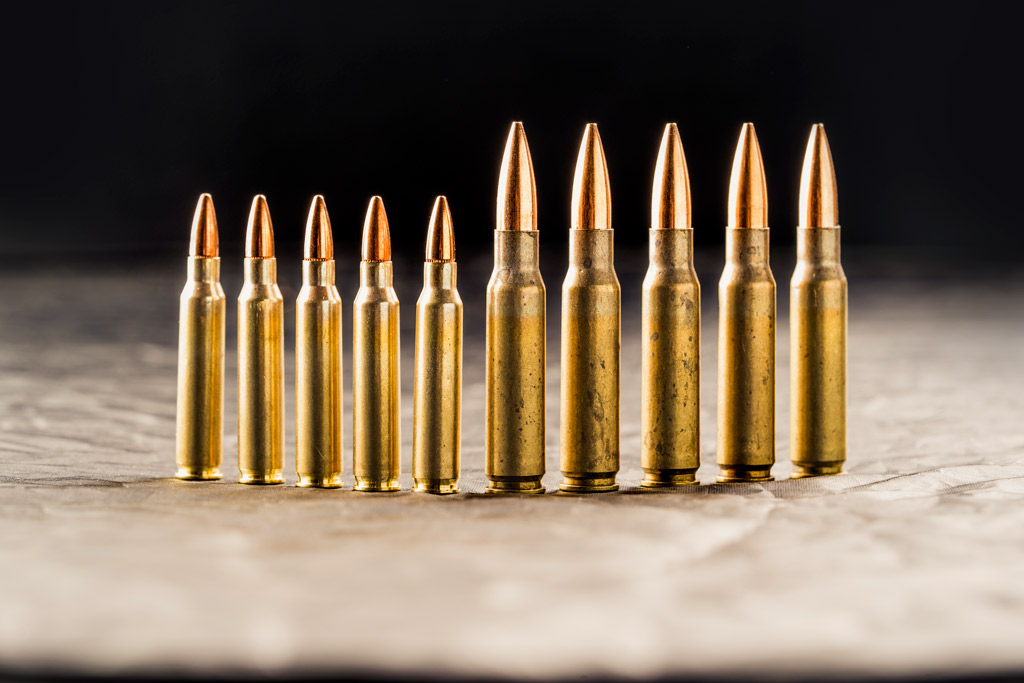
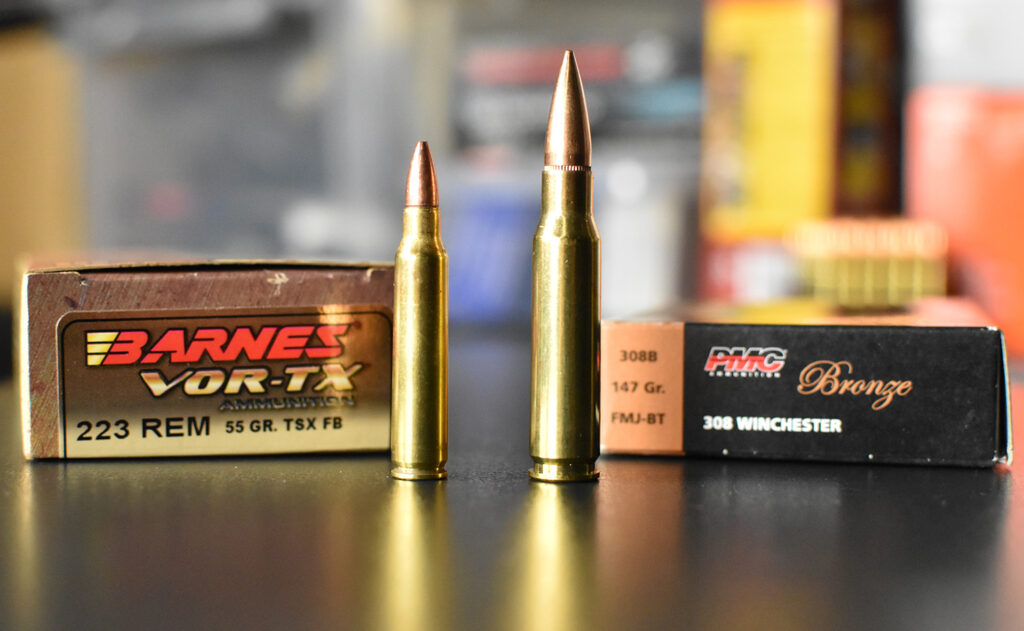
As the names suggest, the .308 is the larger cartridge. It has (by far) heavier bullets, often packing rounds that are three times the weight of the .223’s. It has a wider, longer case and a larger overall size. It’s just a bigger package.
The difference between these two rounds is best seen in the bullet weights. The .223 Remington, which was never meant for overwhelming power, packs bullets ranging from about 36 to 77 grains; the most common is a 55-grain round. The .308, however, starts at 110 grains and goes as high as 180; even higher for subsonic loads. 150, 160, and 180 are common grain weights for the .308 Winchester. Nothing exemplifies the .223 vs .308 comparison better than the bullet differences.
.223 vs .308 Winchester: Ballistics
Comparing two very different cartridges, like the .223 Remington and the .308 Winchester can be difficult, as they are used for different purposes; it’s not unlike trying to compare a fuel-efficient car and a tow truck. However, we can look at their general characteristics to help you understand the advantages and disadvantages of each round.
.223 vs. .308 Velocity
| Cartridge | Muzzle (fps) | 100 yards | 200 | 300 | 400 | 500 |
|---|---|---|---|---|---|---|
| .223 Remington Remington Coke-Lokt 62 grains | 3,100 | 2,694 | 2,322 | 1,982 | 1,674 | 1,407 |
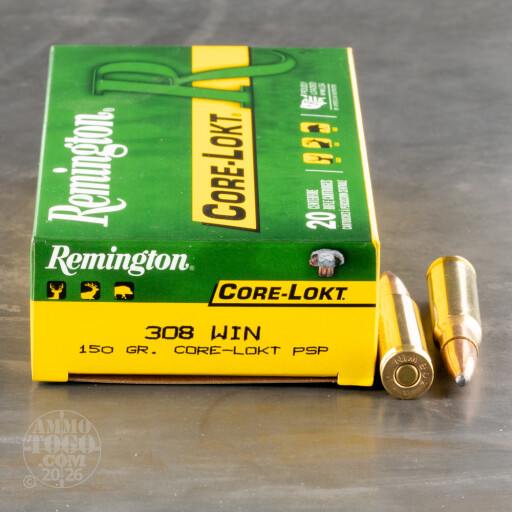
| .308 Winchester Remington Core-Lokt 150 grains | 2,820 | 2,532 | 2,262 | 2,009 | 1,774 | 1,560 |
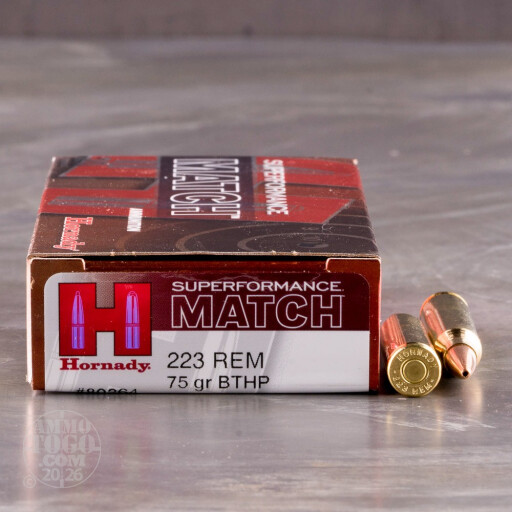
| .223 Remington Hornady Superformance BTHP 75 grains | 2,930 | 2,695 | 2,471 | 2,259 | 2,057 | 1,866 |
| .308 Winchester Hornady Superformance ELD 163 grains | 2,840 | 2,665 | 2,496 | 2,334 | 2,177 | 2,027 |
| .223 Remington Winchester Deer Season XP 64 grains | 3,020 | 2,693 | 2,387 | 2,103 | 1,839 | N/A |
| .308 Winchester Winchester Deer Season XP 150 grains | 2,820 | 2,588 | 2,368 | 2,158 | 1,960 | 1,773 |
| .223 Remington Nosler Varmageddon 53 grains | 3350 | 3024 | 2712 | 2420 | 2147 | 1892 |
| .308 Winchester Nosler Varmageddon 110 grains | 3,150 | 2,818 | 2,510 | 2,222 | 1,953 | 1,706 |
When it comes to velocity, few cartridges, especially small cartridges, can match the muzzle speed of the .223 Remington. Most .223 products, depending on the bullet size and the product line, will be around 3,000 feet per second or higher. Light rounds, such as Nosler’s 53-grain Varmageddon cartridge, have muzzle speeds over 3,300 feet per second; you can even find .223 Remington loads with muzzle speeds listed at 3,700 feet per second! The .308 Winchester is not a slow cartridge, but it usually maxes out at about 2,700 to 3,000 feet per second, which are the bottom levels for .223 Remington products.
But there is an important caveat. The .223 Remington may be faster at the muzzle, but the .308 Winchester is faster downrange. Heavier bullets maintain momentum, so by roughly 200 yards, the .308 is often traveling as fast as the .223. By 500 yards, it’s usually faster.
The speed ratings for Remington’s Core-Lokt products (62-grain .223 vs 150-grain .308) show an initial speed advantage for the .223. But by 300 yards, the .308 is faster. At 500 yards, the .308 is roughly 150 fps faster.
So while the .223 starts faster, we can’t say it’s the outright winner because the .308 is faster downrange. Therefore, we’re calling this comparison a draw.
Velocity Advantage: Draw
.223 Rem vs. .308 Energy
| Cartridge | Muzzle (ft-lbs) | 100 yards | 200 | 300 | 400 | 500 |
|---|---|---|---|---|---|---|
| .223 Remington Remington Coke-Lokt 62 grains | 1,323 | 999 | 743 | 541 | 386 | 272 |
| .308 Winchester Remington Core-Lokt 150 grains | 2,648 | 2,136 | 1,705 | 1,344 | 1,048 | 811 |
| .223 Remington Hornady Superformance BTHP 75 grains | 1,430 | 1,209 | 1,017 | 850 | 705 | 580 |
| .308 Winchester Hornady Superformance ELD 163 grains | 3,009 | 2,649 | 2,324 | 2,032 | 1,769 | 1,533 |
| .223 Remington Winchester Deer Season XP 64 grains | 1,296 | 1,030 | 810 | 628 | 480 | N/A |
| .308 Winchester Winchester Deer Season XP 150 grains | 2,648 | 2,231 | 1,867 | 1,551 | 1,279 | 1,046 |
| .223 Remington Nosler Varmageddon 53 grains | 1,330 | 1,076 | 865 | 689 | 542 | 421 |
| .308 Winchester Nosler Varmageddon 110 grains | 2,423 | 1,939 | 1,538 | 1,206 | 932 | 711 |
While the rounds are similar in speed, the .308 Winchester is the clear winner for power. Typical .223 Remington muzzle energies are around 1,100 to 1,300 foot-pounds, although you can find products above this level. The cartridge maxes out around 1,500 ft-lbs for muzzle energy.
Meanwhile, thanks to much heavier bullets and similar speeds, the .308 Remington has muzzle energies around 2,500 to 3,000 foot-pounds. It starts with more energy and stays more powerful far down the range.
More power is not always preferred, but the .308 Winchester has a clear energy advantage.
Energy Advantage: .308 Winchester
.223 vs. .308 Bullet Trajectory
| Cartridge | 100 yards (Inches) | 200 | 300 | 400 | 500 |
|---|---|---|---|---|---|
| .223 Remington Remington Coke-Lokt 62 grains | 1.7 | 0 | -8.2 | -25.4 | -55.4 |
| .308 Winchester Remington Core-Lokt 150 grains | 2 | 0 | -8.8 | -26.2 | -55.1 |
| .223 Remington Hornady Superformance BTHP 75 grains | 1.7 | 0 | -7.4 | -21.6 | -44 |
| .308 Winchester Hornady Superformance ELD 163 grains | 1.7 | 0 | -7.3 | -21 | -42 |
| .223 Remington Nosler Varmageddon 53 grains | 1.2 | 0 | -5.9 | -17.8 | -37.2 |
| .308 Winchester Nosler Varmageddon 110 grains | 1.4 | 0 | -7 | -21.1 | -44.3 |
For trajectory, we don’t see a massive advantage for either cartridge. The only standout difference in our small comparison comes from the Nosler Varmageddon products, which show a straighter trajectory for the .223. The rest, however, are too close to call.
When it comes to downrange trajectories, we can’t say that one is better than the other.
Trajectory Advantage: Draw
Affordability
Pricing depends not only on what you buy, but also where and how you purchase. Generally speaking, however, you will find that the .223 Remington has a slight advantage when it comes to pricing. However, neither one of these cartridges is overly expensive, so you should be able to enjoy an affordable day at the range with either choice.
Price Advantage: .223 Remington
Recoil
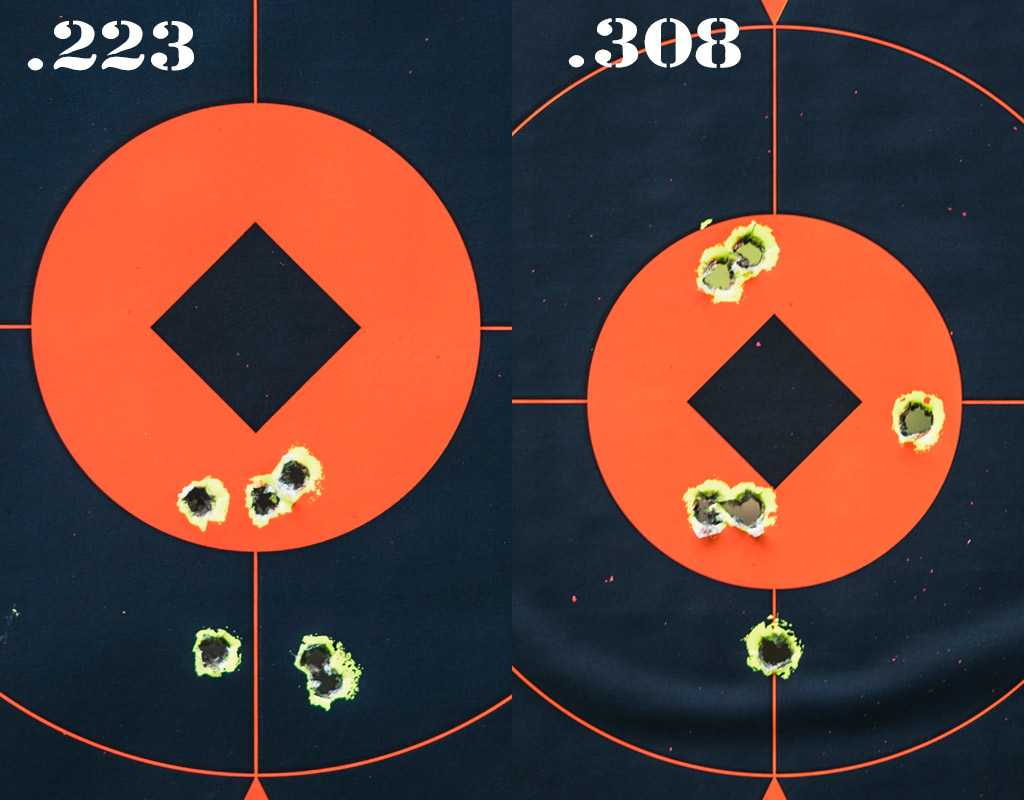
As we said earlier, high power is not always better. For recoil-sensitive shooters, the .223 will be a better option, as the .308 usually delivers a stronger kick. New shooters learning to fire at greater distances will likely have a better experience with the .223, which shoots light and still delivers downrange accuracy.
Recoil Advantage: .223 Remington
Portability & Mobility of the Rifleman
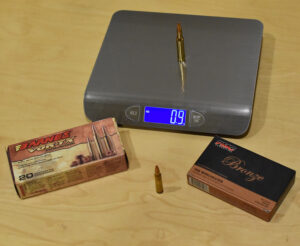 If you’ve been around rifles long, you know that rifles chambered in .308 are generally heavier than AR-15s or other .223-chambered firearms. That’s for good reason and in large part deals with recoil.
The typical .308 rifle should weigh somewhere around 8-pounds to help properly absorb recoil from ammunition loaded with a bullet that’s two to three times heavier than what you’ll find in a 6-pound .223-chambered rifle.
But it’s not just the rifle. It’s also the ammunition.
.308 ammo weighs some where around .9 oz per round. .223 comes in at about half that rate. Sure, that’s nothing when you’re looking at just a single cartridge or even a single magazine. But think about what that sort of weight differential does to you if you are bugging out or expected to be on the run with your rifle for days at a time.
If you think of yourself as a carrier with fixed carrying capacity you’re going to have a lot more rounds of .223 you can bring with you. For instance, if your ammunition “carry budget” is 10 pounds, you’ll be able to bring about 185 rounds of .308 ammo with you. Or, you could bring somewhere around 400 rounds of .223.
Mobility Advantage: .223 Remington
Final Analysis: Picking a Cartridge
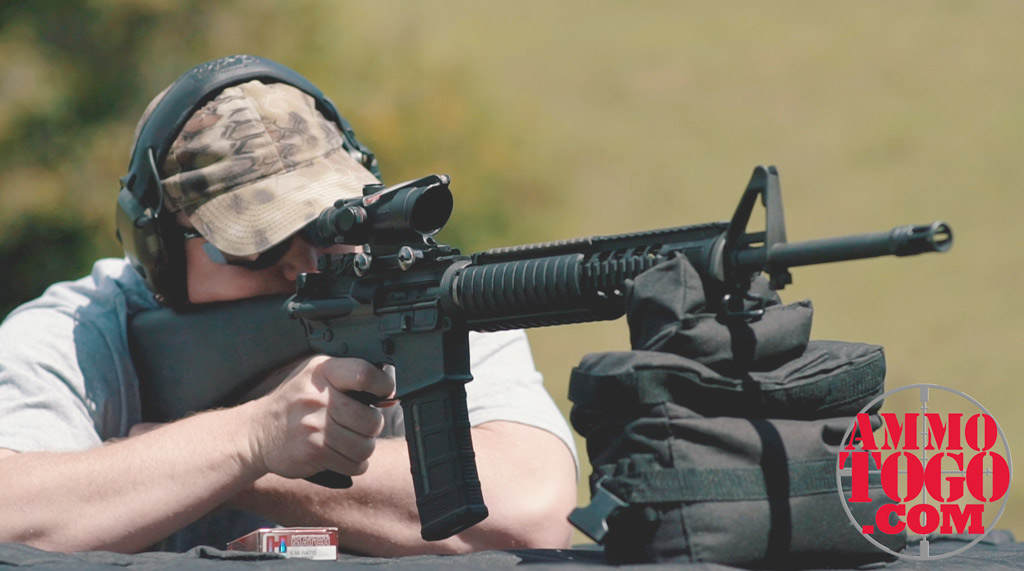
Choose the .223 Remington if…
The .223 is your best option if you enjoy high-volume target shooting, small to medium-game hunting, or low-recoil shooting. The cartridge is affordable and almost always available at your nearest sporting goods store. It also gives tight grouping, which is essential for hunting smaller game and heaps of fun at the range!
Choose the .308 Winchester if…
If your goal is to pursue medium- to large-sized game animals, you will be happier with the .308 Winchester. You can certainly use this cartridge for target shooting and other hobbies (but certainly not small game), but it is most effective for sports like deer and elk hunting. It also makes a fine hog-hunting option, and can be used for moose, bear, and other heavy game animals.
No matter which is right for your needs, you’ll have a reliable cartridge that is trusted by competition shooters and hunters all across the nation.