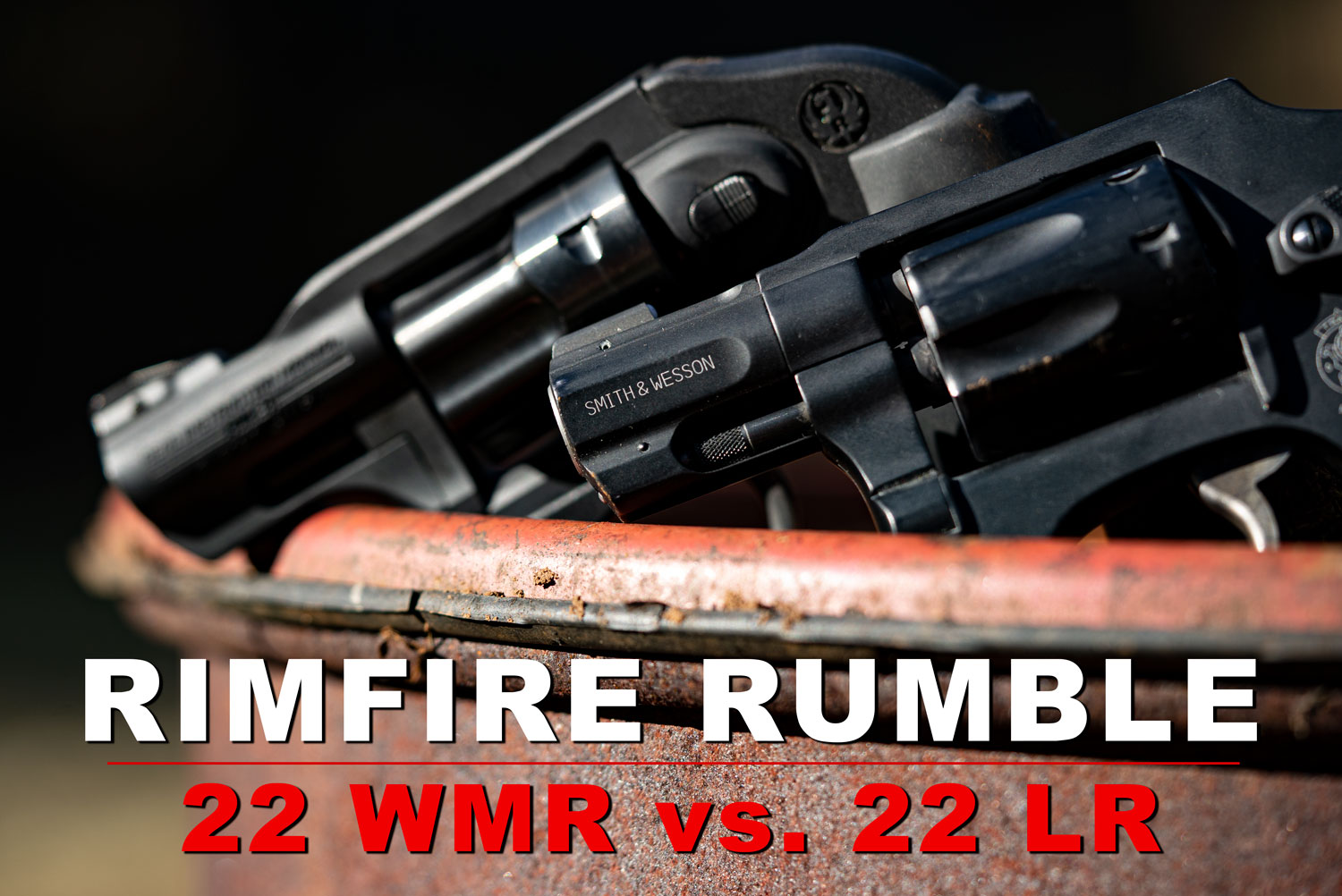


Let’s put the 22 WMR caliber up against the insanely popular 22 long rifle cartridge to dissect the differences and advantages of each over the other.
This article is an analysis of the .22 Long Rifle (LR) vs the .22 Winchester Magnum Rimfire (WMR). We’ll review all the major points, including ammo prices, availability, velocity, and power. This information will help readers make the best purchase decision.
The .22 Long Rifle, better known as the “.22 LR” or simply the “Twenty-two,” is the single-most used cartridge in the country. Small and affordable, with virtually no recoil, the Twenty-two is the standard for plinking and small game hunting.
But it’s not the only rimfire available. The .22 Winchester Magnum Rimfire, often called the “.22 WMR,” or the “.22 Win Mag,” is another fine option, one that is used by outdoor enthusiasts across the country.
.22 calibers are extremely popular, and for good reason. This size has been modified and adapted into dozens of rounds, including centerfire and rimfire cartridges.
So should you stick with the trusted .22 LR, or make the step into something a bit bigger? For that matter, is the .22 WMR significantly more powerful?
Need answers now? Here are the benefits of the .22 LR and the .22 WMR:
Advantages of the .22 Long Rifle:
- Better prices
- Endless variety and availability
Advantages of the .22 Winchester Magnum Rimfire:
- Faster speeds
- Higher energies
- Longer range
Are .22 LR and .22 WMR Interchangeable?

The .22 LR and .22 WMR are not interchangeable, we should get that out of the way immediately.
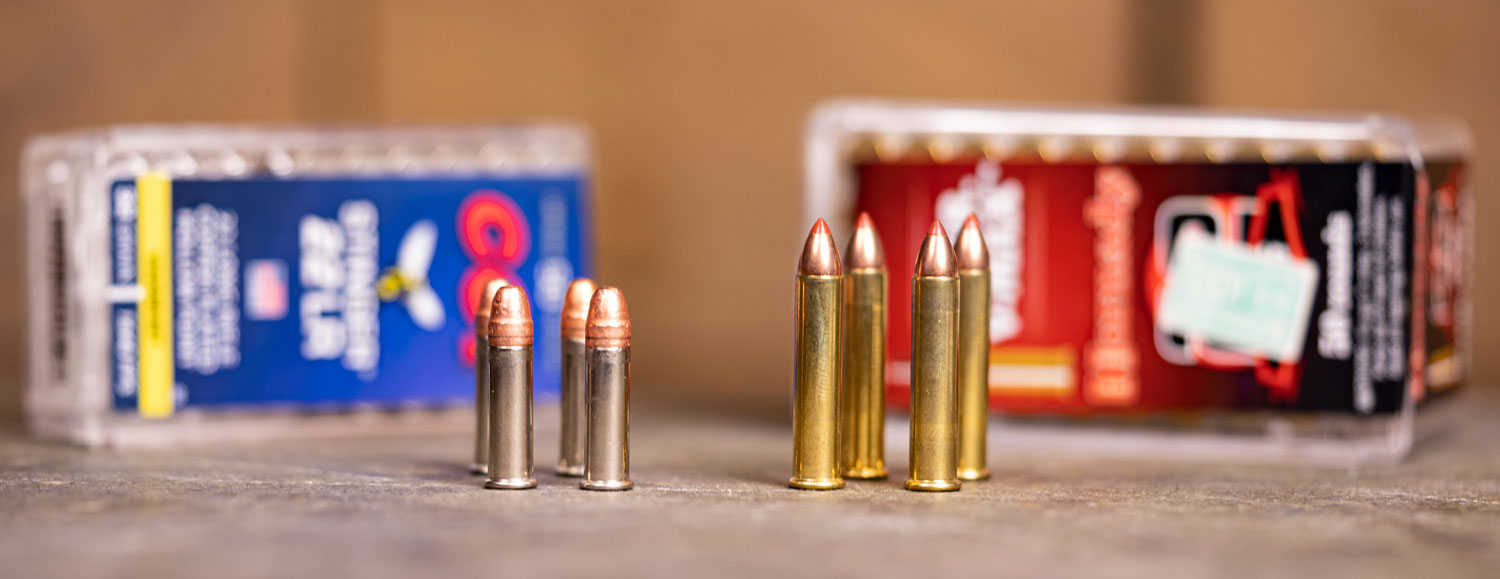
They have different dimensions for length, rim diameter, and even bullet diameter (although this comes down to one-thousandth of an inch). You cannot take .22 WMR and use them in a rifle made for .22 Long Rifle, and vice versa. You might be able to get a round to chamber in the wrong firearm but it’s not a great idea to pull the trigger.
You’ll need a separate firearm, or at least separate fittings, for each cartridge.
| .22 Long Rifle | .22 Winchester Magnum Rimfire | |
|---|---|---|
| Released | 1884 | 1959 |
| Bullet diameter | 0.223 inches | 0.224 inches |
| Neck diameter | 0.226 inches | 0.244 inches |
| Base diameter | 0.226 inches | 0.246 inches |
| Rim diameter | 0.278 inches | 0.3 inches |
| Case length | 0.613 inches | 1.055 inches |
| Total length | 1 inch | 1.35 inches |
| Typical bullet weights | 20 - 60 grains | 25 - 52 grains |
Getting to Know .22 Long Rifle
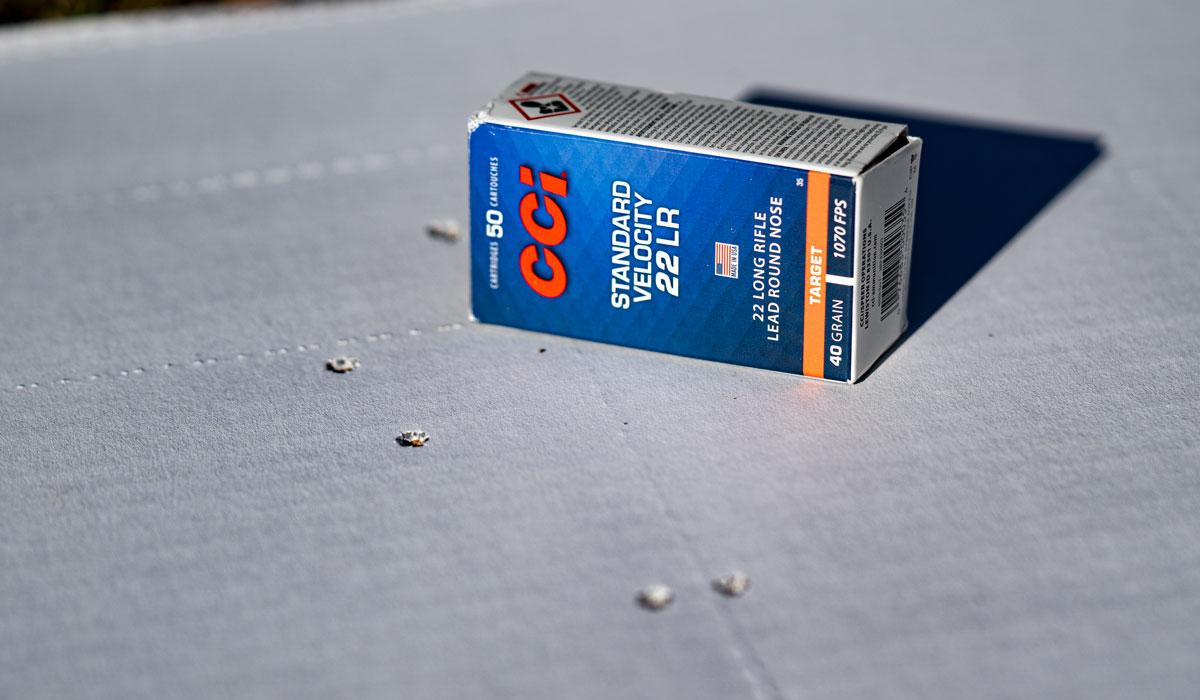
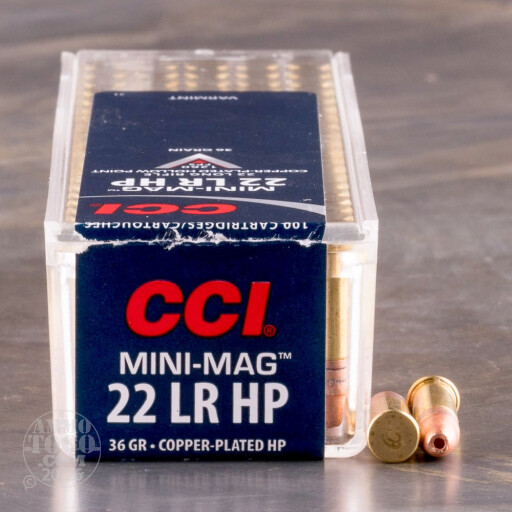
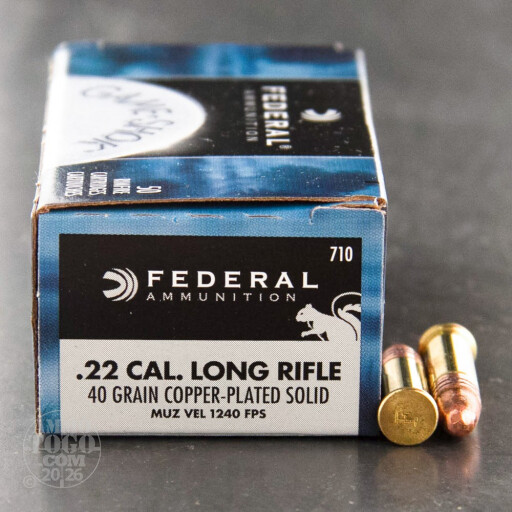
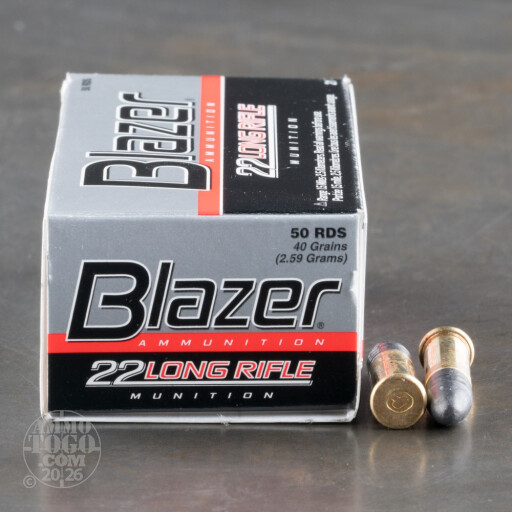
The .22 Long Rifle, or “.22 LR” is likely the most-used round in the country, if not the entire world. Released in the late 19th century, this round has been popular for small-game hunting and competition, but its most frequent use is in recreational plinking. It also makes an ideal choice for varmint control, which is why so many property owners keep a .22 LR rifle or revolver in their gun safe.



Getting to Know the .22 Winchester Magnum Rimfire

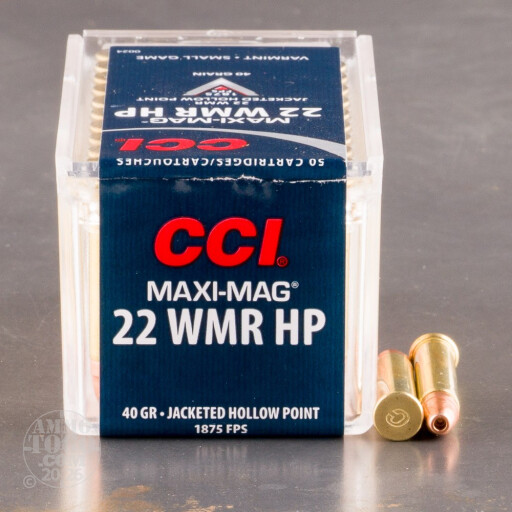
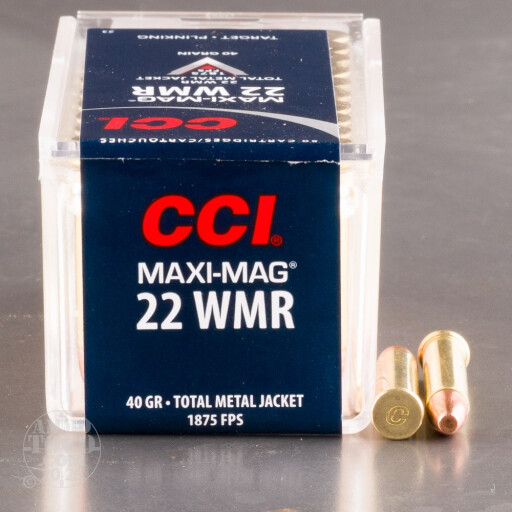
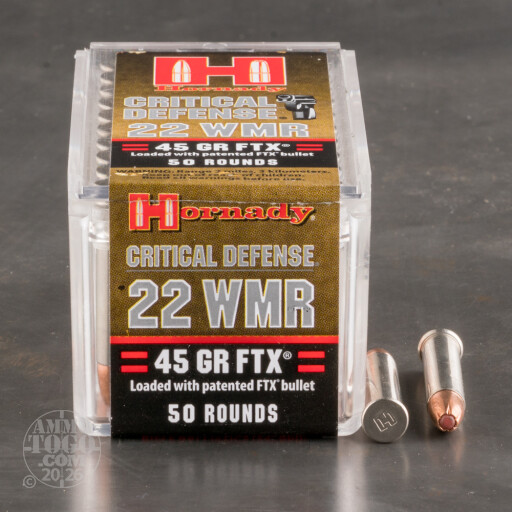
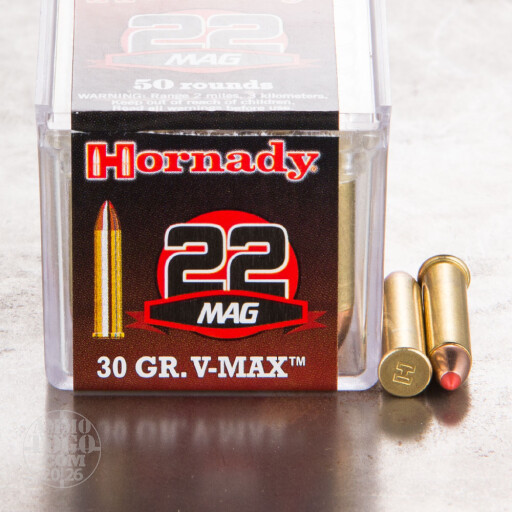
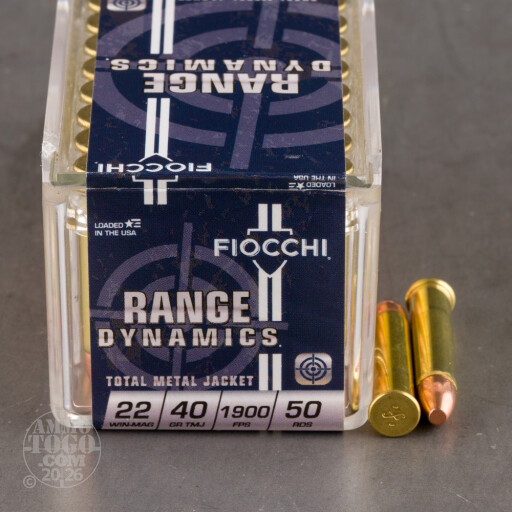
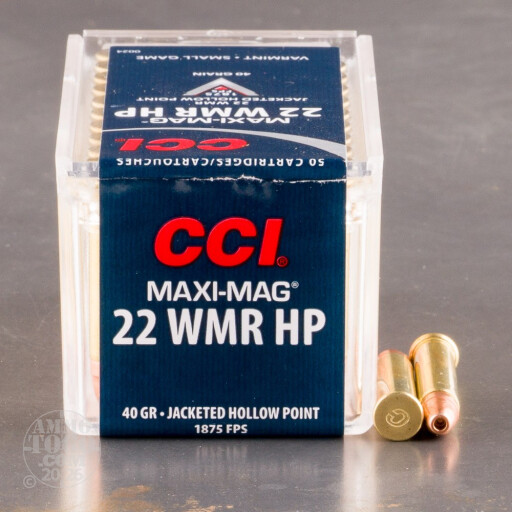
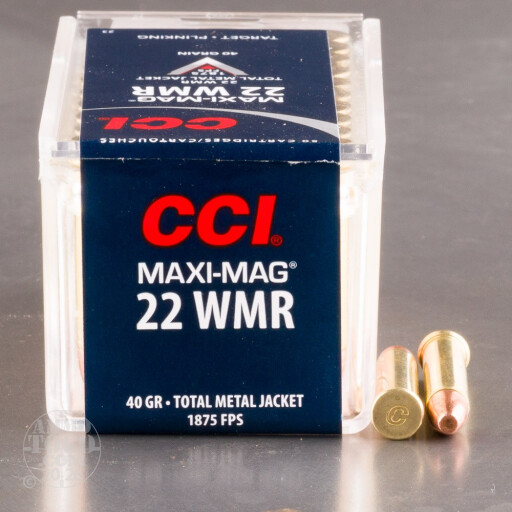
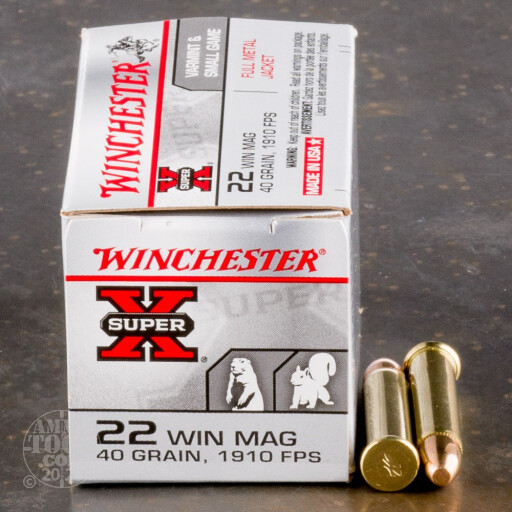
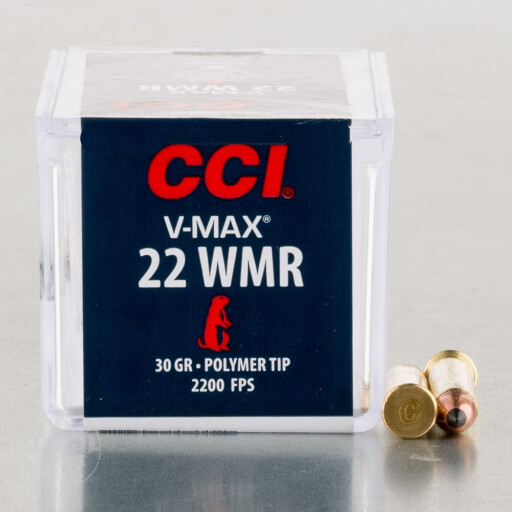
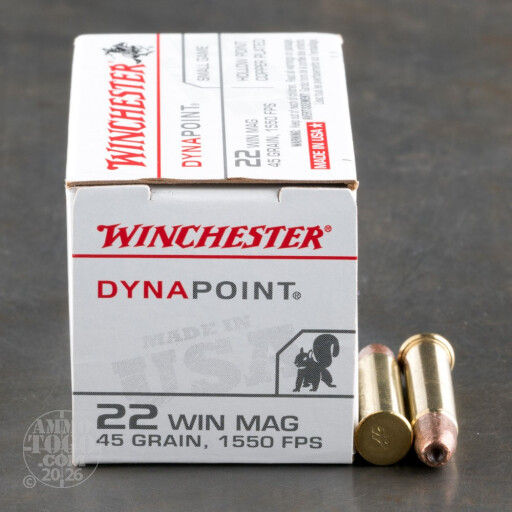
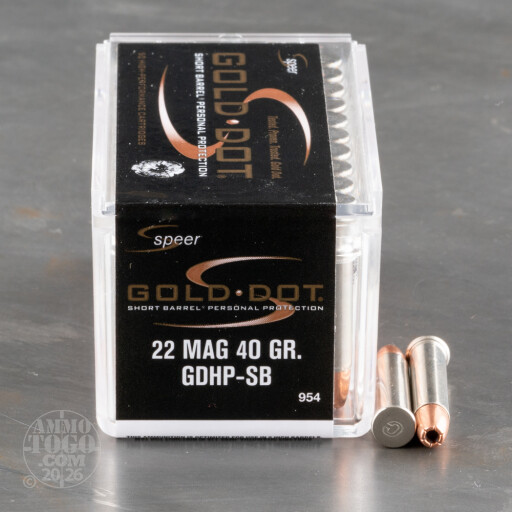
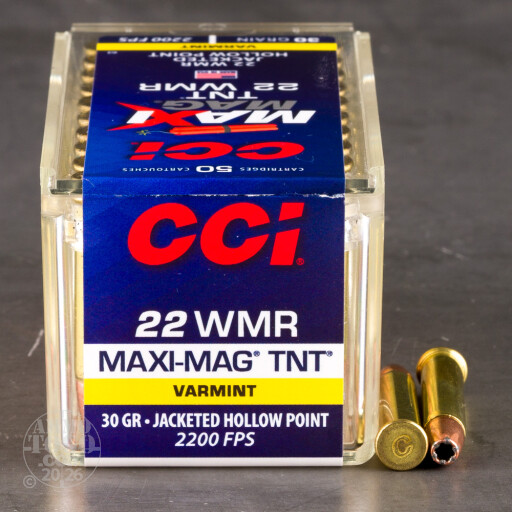
The .22 Winchester Magnum Round, which is also known as the “.22 WMR,” or “.22 Magnum” was released 75 years after the .22 LR. It has similar proportions as the Long Rifle, but the main difference is the extended case, which allows for more propellant behind a bullet that is often the same size.
The round is used for a variety of purposes, including target shooting. The most common use for this round, however, is small-game hunting. The cartridge is effective for rabbits, prairie dogs, foxes, and even coyotes.



.22 LR vs .22 WMR: Price & Performance
Price
While .22 WMR is one of the cheaper cartridge options, the .22 LR is considered by many to be the single most affordable ammunition out there. You don’t get a lot of bang (more on performance below), but you can spend an entire day shooting targets with .22 LR cartridges and barely scratch $10.
As of writing this article, it’s not uncommon to find .22 LR priced at less than a nickel per round. The highest was still only $.37 per round. The .22 WMR is still affordable, with plinking grade prices as low as $.17 per round as I write this. Neither is expensive, but you simply can’t beat the per-round cost of the .22 LR. This is the main reason why it’s so popular.
Please note: These price examples are accurate as the time of writing. Rimfire markets can fluctuate greatly so these prices could move up or down depending upon supply and demand.
Winner: .22 Long Rifle
.22 WMR vs. .22 LR Velocity
| .22 Long Rifle | Muzzle (fps) | 50 yards | 100 yards | 150 yards |
|---|---|---|---|---|
| 29-grain Personal Defense Punch (Federal) | 1080 | 951 | 865 | 795 |
| 31-grain Copper Plated HP (Federal) | 1430 | 1197 | 1046 | 951 |
| 36-grain Brass Plated HP (Remington) | 1280 | 1092 | 979 | 901 |
| 40-grain Field Dynamics HP (Fiocchi) | 1250 | 1102 | 1005 | 935 |
| Average | 1,260 | 1,086 | 974 | 896 |
| .22 Winchester Magnum Rifle | Muzzle (fps) | 50 yards | 100 yards | 150 yards |
| 25-grain Varmint LF (Winchester) | 2,100 | 1,643 | 1,280 | 1,052 |
| 30-grain Varmint & Predator TNT (Federal) | 2,200 | 1,777 | 1,419 | 1,155 |
| 33-grain AccuTip-V (Remington) | 2,000 | 1,731 | 1,491 | 1,289 |
| 50-grain Small Game JHP (Federal) | 1,530 | 1,347 | 1,197 | 1,086 |
| Average | 1,958 | 1,625 | 1,347 | 1,146 |
Being a “magnum” round, it’s predictable that the .22 WMR would have faster velocities. But it’s a bit surprising to see such a large advantage. The typical .22 LR starts at about 1,000 to 1,300 fps; our average was on the faster side, thanks in large part to the speedy 31-grain round from Federal, which logged a muzzle speed above 1,400.
The .22 WMR, on the other hand, goes above 2,200 in many cases, bringing faster speeds than the best .22 LR. While the 50-grain round was slow for the WMR, all others were at or above 2,000 fps. The round is clearly faster, especially from the start.
Winner: .22 Winchester Magnum Rimfire
Energy Comparison
| .22 Long Rifle | Muzzle (ft-lbs) | 50 yards | 100 yards | 150 yards |
|---|---|---|---|---|
| 29-grain Personal Defense Punch (Federal) | 75 | 58 | 48 | 41 |
| 31-grain Copper Plated HP (Federal) | 141 | 99 | 75 | 62 |
| 36-grain Brass Plated HP (Remington) | 131 | 95 | 77 | 65 |
| 40-grain Field Dynamics HP (Fiocchi) | 139 | 108 | 90 | 78 |
| Average | 122 | 90 | 73 | 62 |
| .22 Winchester Magnum Rifle | Muzzle (fps) | 50 yards | 100 yards | 150 yards |
| 25-grain Varmint LF (Winchester) | 245 | 150 | 91 | 61 |
| 30-grain Varmint & Predator TNT (Federal) | 322 | 210 | 134 | 89 |
| 33-grain AccuTip-V (Remington) | 293 | 220 | 163 | 122 |
| 50-grain Small Game JHP (Federal) | 260 | 201 | 159 | 131 |
| Average | 280 | 195 | 137 | 101 |
It comes as no surprise that the .22 WMR is more powerful. This round is launching cartridges at faster speeds than the Long Rifle, yet it throws similar bullets. This will always bring higher energies.
At the muzzle, the .22 WMR can go over 300 ft-lbs, a high rate for a rimfire cartridge. The .22 LR falls between 75 and 150 ft-lbs.
Neither of these cartridges were intended for long-range performance or high energy, but the .22 WMR is clearly the more powerful option.
Winner: .22 Winchester Magnum Rimfire
Trajectory
| .22 Long Rifle | 50 yards (Inches) | 100 yards | 150 yards |
|---|---|---|---|
| 29-grain Personal Defense Punch (Federal) | 4 | 0 | -15.5 |
| 31-grain Copper Plated HP (Federal) | 2.3 | 0 | -10.1 |
| 36-grain Brass Plated HP (Remington) | 2.9 | 0 | -11.8 |
| 40-grain Field Dynamics HP (Fiocchi) | 2.8 | 0 | -11.3 |
| Average | 3 | 0 | -12.2 |
| .22 Winchester Magnum Rifle | 50 yards | 100 yards | 150 yards |
| 25-grain Varmint LF (Winchester) | 0.9 | 0 | -6.2 |
| 30-grain Varmint & Predator TNT (Federal) | 0.7 | 0 | -5.1 |
| 33-grain AccuTip-V (Remington) | 0.7 | 0 | -4.7 |
| 50-grain Small Game JHP (Federal) | 1.6 | 0 | -7.7 |
| Average | 1 | 0 | -5.9 |
The results were again fairly predictable. The .22 WMR, with faster speeds and heavier bullets, has better trajectory numbers. Actually, the stats for the Win Mag are pretty impressive; at 150 yards we only see about six inches of drop – not bad for a rimfire cartridge. The .22 LR has more drop, although quality shooters can still hit the mark at 150 or 200 yards.
Winner: .22 Winchester Magnum Rimfire
Recoil
When comparing cartridges, we often discuss one of the most important factors for shooting, especially high-volume shooting: recoil. The recoil (the force driving back into the shooter’s hands or shoulder) for both of these rounds is negligible at best. While the .22 WMR has more recoil than the light-popping .22 LR, it’s not enough to make any real difference to a shooter. For all intents and purposes, neither of these will give you a sore shoulder.
Winner: Draw (.22 LR is lighter, but neither has significant recoil)
.22 LR vs .22 WMR: The Final Verdict
Choose .22 LR for Affordability, Small-Game Hunting, Teaching

The biggest reason to choose the .22 Long Rifle is simple affordability. If you want a starter rifle, or if you are simply tired of spending $50 on ammunition every time you head to the range, the .22 LR is a great choice. No, it won’t replace your deer rifle, but it will give you a cost-effective way to enjoy shooting. It’s also great for small-game hunting and varmint control.
Also, if you have a youngster that is ready to learn responsible shooting, the .22 LR is a great entryway into the world of safe gun handling. With virtually no recoil and only a small “crack” of noise, it’s an approachable cartridge that is not intimidating to young or inexperienced shooters.
Choose the .22 WMR for Greater Distance, More Power, and More Hunting Options
The .22 Winchester Magnum Round has many of the qualities that make the .22 LR popular, but it has a little more speed, power, and a louder pop when fired. In a way, it’s the natural step up from the Long Rifle, so if you want to hunt rabbits with a little more distance, or you want a cartridge that can plink targets at 150 or 200 yards, the .22 WMR is a natural choice.
Heck, there are even concealed carriers who use 22 WMR in a back-up revolver. So, they believe in the cartridge enough to take down a larger threat too. (Although, in some 22 WMR gel testing, we found it really didn’t perform well relative to some of the centerfire options out there like 380 ACP and 9mm.)
In the end, both of these calibers fill a specific need among American shooters. Whether you just need one of them or add both to your gun cabinet is up to you. No matter what you decide in the 22 WMR vs 22 LR showdown, you’re getting a relatively inexpensive round. Pair that cost with proven performance over decades of mainstream use and it’s tough to go wrong.